
Definisi
Volvulus adalah ketika satu atau lebih bagian saluran cerna terpuntir. Puntiran ini dapat menyebabkan obstruksi atau sumbatan usus. Obstruksi usus akan menghambat aliran darah ke usus dan merupakan kondisi gawat darurat yang membutuhkan penanganan bedah segera. Jika tidak diobati, bagian usus yang tidak mendapat cukup pasokan darah akan mati.
Volvulus usus halus dan lambung biasanya terjadi pada bayi dan anak-anak. Pada orang dewasa, volvulus cenderung terjadi di usus besar, terutama di daerah sigmoid dan sekum. Sigmoid adalah bagian usus besar yang paling bawah, sedangkan sekum adalah daerah perbatasan antara usus besar dan usus halus. Sehingga, yang paling banyak ditemukan pada orang dewasa adalah volvulus sigmoid dan volvulus sekal.
Volvulus bisa diobati melalui operasi. Bayi yang telah bebas dari volvulus dapat tumbuh dan berkembang dengan normal. Kejadian volvulus dilaporkan oleh negara-negara di Afrika, Asia, Timur Tengah, Eropa Timur, dan Amerika Selatan. Di Afrika dan Timur tengah, 50% obstruksi usus besar disebabkan oleh volvulus, terutama volvulus sigmoid. Volvulus sekal lebih jarang terjadi, yaitu 10-15% dari seluruh kasus volvulus, dan seringnya pada wanita berusia sekitar 60 tahun.
Penyebab
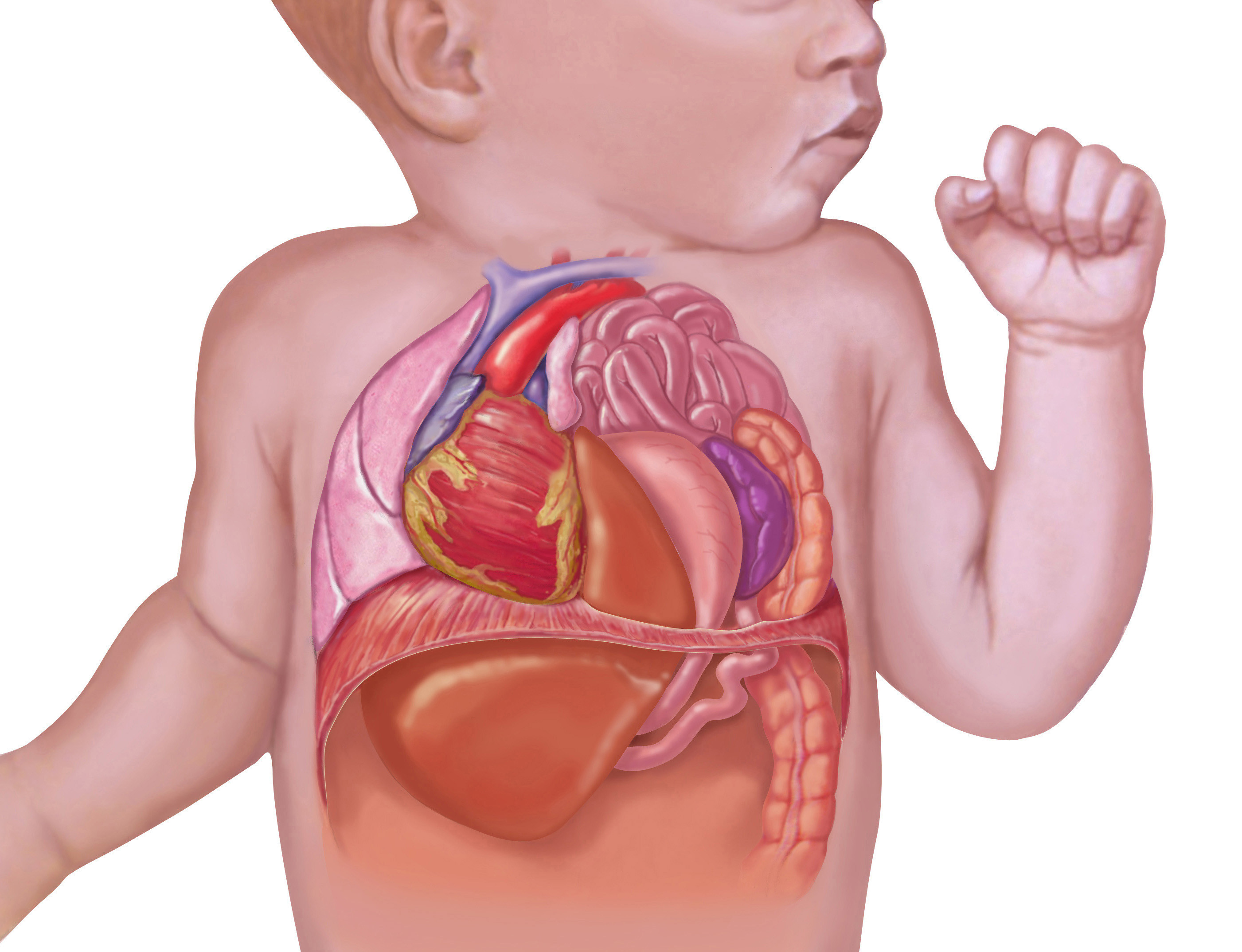
Pada bayi, volvulus usus halus sering terjadi karena malrotasi. Malrotasi terjadi ketika terdapat kesalahan letak usus pada masa pembentukan dan perkembangannya sehingga usus menempati tempat yang salah di perut. Kesalahan posisi ini dapat menyebabkan usus terpuntir dan tersumbat. Malrotasi terjadi pada 1 dari 6000 bayi baru lahir.
Pada orang dewasa, penyebab volvulus antara lain:
- Usus besar yang besar dan panjang
- Perlengketan organ-organ perut pasca operasi, cedera, atau infeksi
- Penyakit usus besar, seperti penyakit Hirschsprung. Pada penyakit ini, ada segmen usus besar yang tidak memiliki sel saraf. Segmen ini rentan mengalami puntiran
- Usus besar yang tidak menempel pada dinding perut
- Sembelit kronis (jangka panjang)
- Kehamilan
Volvulus biasanya terjadi karena ada kondisi lain yang mendasari. Namun, terkadang bisa terjadi dengan sendirinya.
Faktor Risiko
Faktor risiko volvulus antara lain:
- Perjalanan udara dengan kabin bertekanan rendah
- Kelemahan otot usus besar (atonia)
- Pembesaran usus besar
- Penyakit Hirschsprung. Pada penyakit ini, usus besar meradang dan menyebabkan konstipasi serta obstruksi
- Infeksi
- Tumor panggul
- Kehamilan (terutama di trimester ketiga)
- Riwayat operasi perut yang menyebabkan perlengketan organ
- Batuk hebat
Faktor tambahan yang diketahui meningkatkan risiko kejadian volvulus meliputi:
- Laki-laki
- Berusia di atas 60 tahun
- Tinggal di panti jompo atau fasilitas perawatan jangka panjang
- Pasien gangguan neuropsikiatri seperti penyakit Parkinson atau sklerosis multipel
- Penyakit distrofi otot
- Pasien lansia yang tirah baring
Gejala
Gejala volvulus tergolong berat dan muncul dengan tiba-tiba, sehingga pasien biasanya langsung memeriksakan diri ke unit gawat darurat. Gejala volvulus meliputi:
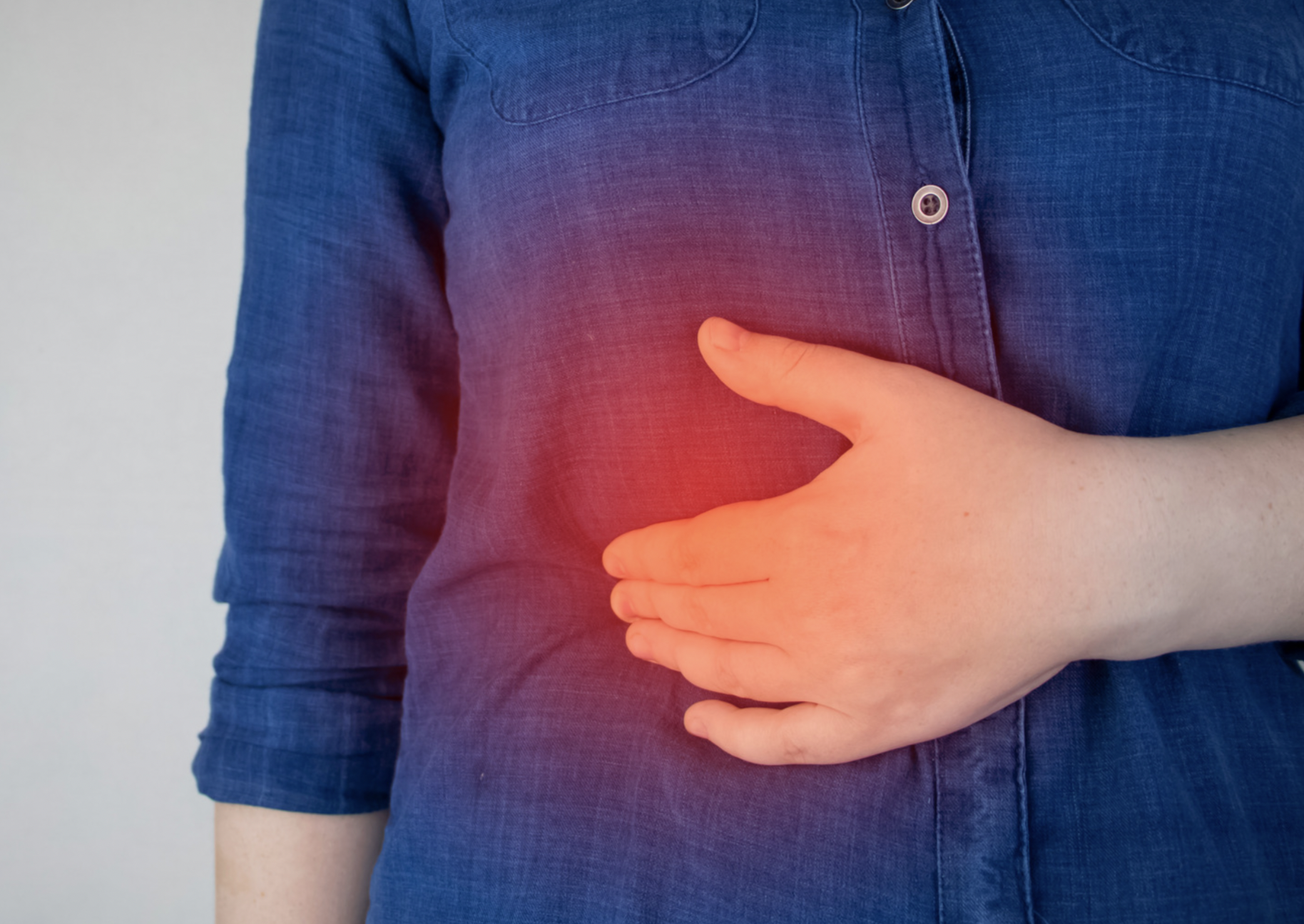
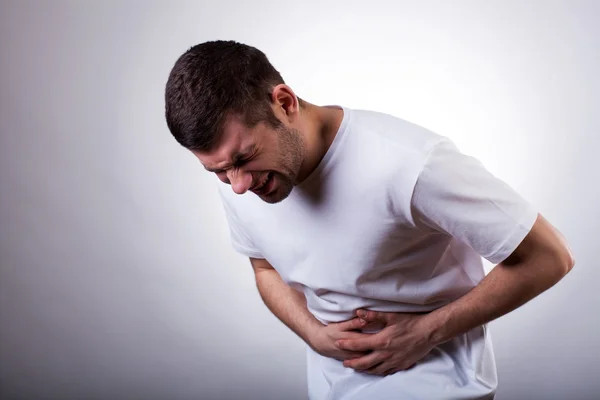
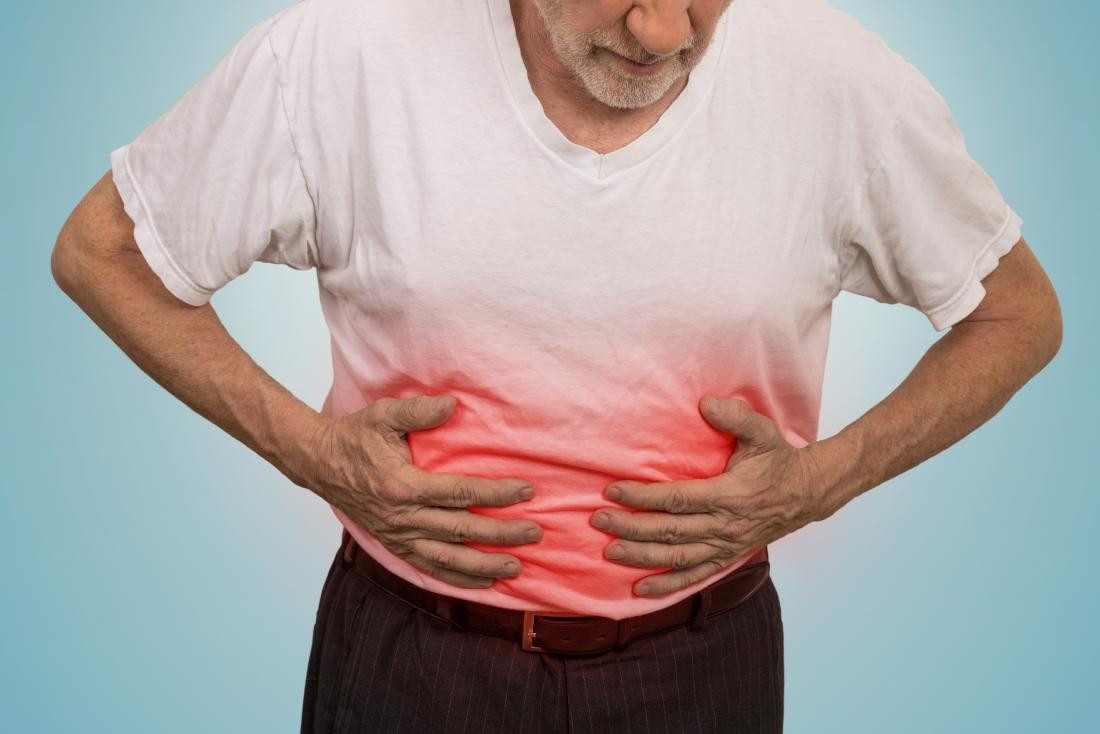
- Nyeri perut dan nyeri tekan perut
- Muntah hijau
- Mual
- Perut membuncit
- Tinja berdarah
- Konstipasi
- Tidak bisa buang gas
- Syok, yaitu aliran darah ke seluruh tubuh terganggu sehingga pasokan oksigen berkurang
Bayi dengan volvulus dapat menunjukkan tanda dan gejala tambahan, seperti:
- Menangis tiba-tiba
- Menarik kaki saat menangis karena kesakitan
- Lesu
- Detak jantung dan pernapasan meningkat
Ada kalanya anak mengalami volvulus intermiten, yaitu suatu kondisi di mana gejala muncul kembali secara berkala lalu hilang dengan sendirinya. Terkadang, gejala volvulus juga serupa dengan gejala penyakit pencernaan lainnya seperti sindrom iritabel usus atau penyakit peradangan usus.
Diagnosis
Diagnosis yang cepat dan tepat akan membantu menentukan langkah pengobatan yang tepat. Jika seseorang menunjukkan tanda-tanda volvulus, dokter akan menanyakan gejala dan riwayat kesehatannya, lalu melakukan pemeriksaan fisik. Pasien mungkin dapat memiliki riwayat volvulus sebelumnya yang hilang dengan sendirinya.
Untuk menunjang diagnosis, dokter juga dapat menyarankan beberapa pemeriksaan berikut:
- Tes darah
- Pemeriksaan tinja di dalam darah
- Pemeriksaan barium dan rontgen sinar X pada saluran cerna bagian atas atau bawah. Dengan pemeriksaan ini, dokter dapat mengetahui lokasi puntiran
- Computed tomography (CT) scan untuk melihat kelainan pada perut
- Sigmoidoskopi
Tata Laksana
Volvulus membutuhkan penanganan segera dan umumnya perlu tindakan pembedahan. Saat operasi, dokter akan membuat sayatan kecil pada dinding perut dekat lokasi usus yang terpuntir, lalu membebaskan puntiran tersebut.
Setelah itu, dokter akan memperbaiki aliran darah ke area yang sebelumnya terpuntir. Jika bagian usus yang terpuntir telah terlalu lama tidak mendapat suplai darah dan jaringannya telah mati, dokter dapat memotong dan mengangkat bagian usus yang mati tersebut.
Terkadang, banyak bagian usus yang sudah mengalami kerusakan dan harus diangkat. Hal ini menyebabkan dokter kesulitan untuk menyambung sisa usus yang cenderung pendek. Jika ini terjadi, dokter perlu melakukan kolostomi, yaitu menghubungkan kedua ujung usus ke lubang (stoma) di dinding perut. Jika seseorang menggunakan stoma, tinja akan keluar melewati lubang tersebut dan masuk ke kantong kolostomi yang dipasang di luar perut. Kolostomi dapat bersifat permanen atau sementara.
Terkadang, prosedur perbaikan volvulus ini dapat mengubah letak usus buntu di dalam perut. Jika ini terjadi, dokter dapat sekalian mengangkat usus buntu saat operasi. Jika usus buntu dibiarkan tidak pada tempatnya, akan terjadi kesulitan mendiagnosis usus buntu di kemudian hari. Dengan mengangkat usus buntu, akan mencegah hal ini terjadi.
Komplikasi
Volvulus harus ditangani sesegera mungkin untuk mencegah risiko komplikasi. Komplikasi volvulus dapat mencakup salah satu dari masalah berikut:
- Konstipasi memberat
- Perut bertambah buncit
- Kematian jaringan usus, yang tidak dapat membaik kembali
- Infeksi berat yang menyebar ke seluruh tubuh melalui darah, disebut sepsis
- Gangguan malabsorbsi yang disebut sindrom usus pendek, diakibatkan oleh berkurangnya usus kecil pasca operasi
- Infeksi dinding perut atau peritonitis sekunder
- Kematian jika volvulus tidak segera ditangani. Laju kematian akibat volvulus mencapai 40% pada pasien yang terlambat terdiagnosis dan tidak tertangani tepat waktu
Terdapat beberapa kemungkinan komplikasi pasca operasi volvulus, antara lain:
- Kekambuhan (40-50%) pasca operasi menggunakan endoskopi saja
- Infeksi luka bekas operasi (8-12%)
- Kebocoran pada sambungan usus yang dioperasi (3-7%)
- Fistula kolokutaneus, yaitu saluran abnormal antara perut dan kulit (2-3%)
- Abses atau penumpukan nanah pada perut atau panggul (1-7%)
- Sepsis atau infeksi berat (2%)
- Kematian (12-15%)
Pencegahan
Sampai saat ini belum ditemukan cara pasti mencegah volvulus. Yang dapat dilakukan adalah mencegah agar volvulus tidak memberat dan mengancam nyawa serta tidak terjadi kekambuhan. Hal ini dapat dilakukan dengan segera memeriksakan diri Anda jika mengalami tanda dan gejala volvulus agar dilakukan penegakan diagnosis dan penanganan dengan cepat.
Kapan Harus ke Dokter?
Segera kunjungi unit gawat darurat jika Anda mengalami salah satu gejala atau tanda volvulus seperti yang sudah disebutkan di atas. Jangan menunda pengobatan karena puntiran yang lebih lama akan semakin mengurangi aliran darah ke usus dan dapat menyebabkan kematian jaringan usus.
Mau tahu tips dan trik kesehatan, pertolongan pertama, dan home remedies lainnya? Cek di sini, ya!
- dr Ayu Munawaroh, MKK

Fletcher, J. (2018). What causes a volvulus?. Retrieved 17, 2022, from https://www.medicalnewstoday.com/articles/321479#diagnosis
Cherney K. (2018). Cecal volvulus. Retrieved 17, 2022, from https://www.healthline.com/health/cecal-volvulus
Thornton, SC. (2020). Sigmoid and cecal volvulus. Retrieved 21, 2022, from https://emedicine.medscape.com/article/2048554-overview
Garbi L. (2020). An overview of volvulus. Retrieved 21, 2022, from https://www.verywellhealth.com/volvulus-symptoms-causes-diagnosis-and-treatment-4686173