
Definisi
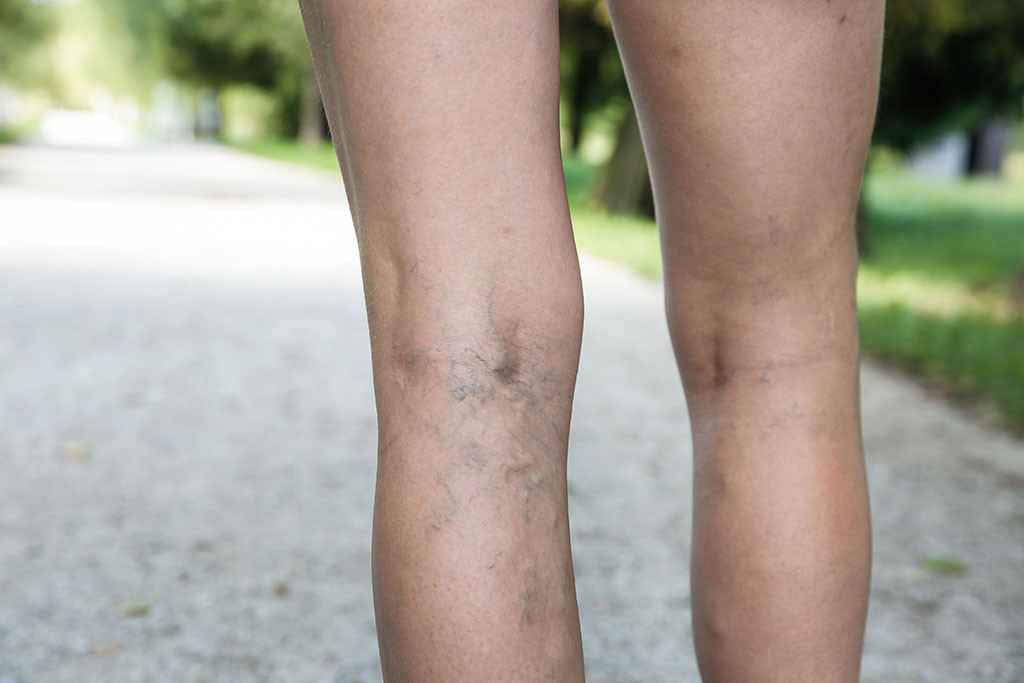
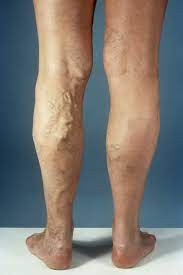
Varises atau yang disebut vena varikosa adalah pelebaran vena (pembuluh darah balik) yang berkelok-kelok yang biasanya terjadi di tungkai dan kaki. Setiap vena yang berada dekat permukaan kulit dapat menjadi varises (vena varikosa).
Penyebab
Varises timbul akibat adanya gangguan dari katup-katup kecil dalam pembuluh vena. Pada vena yang sehat, darah akan mengalir ke jantung tanpa hambatan. Darah vena dari tungkai yang mengalir ke jantung harus melawan gravitasi. Gerakan otot tungkai merupakan pompa untuk darah naik ke atas. Katup kecil di dalam pembuluh vena akan terbuka dan tertutup untuk mencegah darah mengalir balik. Jika katup ini lemah atau rusak, darah dapat mengalir balik dan berkumpul di pembuluh vena sehingga menyebabkan pembuluh vena menjadi meregang dan berkelok-kelok (varikosa).
Faktor Risiko
Anda memiliki risiko yang lebih tinggi untuk terkena varises jika:
- Berusia tua. Penuaan menyebabkan kelemahan fungsi katup di pembuluh vena
- Wanita. Perubahan hormon sebelum siklus haid, selama kehamilan atau menopause dapat meningkatkan risiko karena hormon yang ada cenderung membuat dinding pembuluh vena menjadi lebih lemah. Selain itu, terapi hormonal seperti pil KB juga dapat meningkatkan risiko
- Memiliki riwayat keluarga dengan varises
- Sedang hamil. Saat hamil, volume darah di tubuh meningkat untuk mencukupi kebutuhan ibu sekaligus janin. Hal ini dapat menyebabkan pelebaran pembuluh vena di tungkai
- Berat badan berlebih atau obesitas. Hal ini menambah tekanan pada vena
- Menderita trombosis vena dalam (adanya gumpalan darah pada salah satu pembuluh vena yang terletak lebih dalam dari permukaan kulit)
- Memiliki riwayat cedera pada tungkai (contohnya memiliki riwayat patah tulang tungkai)
- Memiliki pekerjaan yang mengharuskan untuk duduk atau berdiri lama. Pergerakan membantu untuk memperlancar aliran darah, sehingga jika berdiam terlalu lama akan meningkatkan risiko terjadinya varises
Gejala
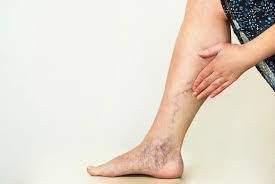
Varises bisa tampak berwarna kebiruan atau ungu gelap dan sering berbenjol atau berkelok-kelok.
Gejala varises adalah:
- Rasa nyeri, berat, dan tidak nyaman pada kaki. Namun, varises dapat tidak menyebabkan nyeri
- Kaki bengkak
- Rasa terbakar atau berdenyut pada tungkai
- Kram otot tungkai, terutama saat malam hari
- Kulit di atas bagian yang terkena menjadi kering, gatal, dan tipis
Gejala biasanya bertambah buruk pada saat cuaca hangat atau setelah berdiri dalam waktu yang lama. Gejala dapat berkurang dengan berjalan atau istirahat dan menaikan kaki lebih tinggi dari jantung.
Pada kasus ringan varises disebut spider veins, atau pembuluh vena yang tampak seperti kaki laba-laba. Spider veins ada lebih dekat dengan permukaan kulit dan berwarna merah atau biru, serta tidak menonjol. Hal ini hanya menyebabkan masalah kosmetik.
Diagnosa
Varises dapat didiagnosa berdasarkan gejala yang timbul dan penampakannya. Dokter akan memeriksa kaki Anda saat berbaring dan berdiri untuk mengecek adanya pembengkakan saat berdiri. Pemeriksaan yang dipakai untuk varises adalah pemeriksaan ultrasonografi (USG) duplex. Alat ini menggunakan gelombang suara frekuensi tinggi untuk menghasilkan gambar pembuluh vena pada kaki. Gambar tersebut akan menunjukan aliran darah dan membantu dokter untuk mencari lokasi kerusakan katup pada pembuluh vena.
Tata Laksana
Varises merupakan kondisi yang relatif tidak serius dan biasanya tidak membutuhkan terapi, terutama jika tidak menyebabkan ketidaknyamanan. Terapi untuk varises biasanya diberikan untuk:
- Mengurangi gejala, jika varises menyebabkan nyeri atau rasa tidak nyaman
- Menangani komplikasi seperti luka, bengkak atau kelainan kulit pada tungkai
- Alasan kosmetik
Jika Anda membutuhkan terapi, biasanya terapi akan dimulai dengan hal yang bisa Anda lakukan di rumah yaitu dengan memakai stocking kompresi. Sebelum memakai ini, dokter akan mengecek peredarah darah Anda terlebih dahulu untuk memastikan terapi ini aman untuk Anda. Stocking kompresi didesain untuk menekan tungkai sehingga memperlancar peredaran darah. Penekanan biasanya paling kuat pada pergelangan kaki dan semakin kendur ke atas. Hal ini akan mempermudah aliran darah ke atas menuju jantung. Penggunaan stocking ini dapat mengurangi nyeri, rasa tidak nyaman, serta bengkak. Stocking kompresi juga berguna untuk varises pada ibu hamil karena dapat dipakai selama durasi kehamilan. Barang ini memiliki beberapa ukuran, panjang, dan tekanan kompresi yang berbeda yang akan disesuaikan dengan kondisi masing-masing orang. Anda mungkin perlu memakai stocking kompresi seumur hidup jika Anda memiliki masalah katup pada vena yang terletak jauh dari permukaan kulit. Belum diketahui apakah pemakaiannya dapat mencegah perburukan varises atau mencegah pembentukan varises baru.
Stocking kompresi dipakai segera setelah bangun tidur dan dilepas saat akan tidur. Terkadang pemakaiannya menyebabkan ketidaknyamanan, terutama saat cuaca panas, namun penting untuk tetap memakainya untuk mendapatkan manfaat terapi yang maksimal. Pakailah stocking dengan benar, jangan digulung pada bagian atas agar penekanan yang dihasilkan tepat. Jika pemakaiannya menyebabkan kulit menjadi kering, Anda bisa memakai krim pelembap sebelum tidur untuk menjaga kulit tetap lembap.
Stocking kompresi biasanya perlu diganti setiap 3 sampai 6 bulan atau jika rusak. Sebaiknya Anda memiliki dua buah agar dapat dicuci. Cucilah menggunakan air hangat dan jangan terkena sinar matahari secara langsung untuk mengeringkannya.
Hal lain yang dapat Anda lakukan di rumah adalah:
- Olahraga teratur
- Hindari berdiri terlalu lama
- Mengangkat kaki lebih tinggi saat istirahat
Jika cara di atas tidak mampu mengurangi gejala atau jika sudah terjadi komplikasi, terapi selanjutnya akan ditentukan berdasarkan kesehatan Anda secara umum, serta ukuran, posisi, dan tingkat keparahan varises. Pilihan terapi lanjutan adalah:
- Ablasi endotermal. Terapi ini adalah terapi lanjutan yang biasanya direkomendasikan pertama kali. Terapi ini menggunakan energi dari gelombang radio frekuensi tinggi atau laser untuk menutup varises.
- Skleroterapi. Dokter akan menyuntik varises dengan cairan yang dapat menyebabkan terbentuknya jairngan luka yang bisa menutup varises.
- Operasi pengangkatan varises.
Komplikasi
Varises dapat menyebabkan komplikasi akibat gangguan aliran darah. Kebanyakan orang dengan varises memang tidak mengalami komplikasi. Jika terjadi komplikasi, biasanya baru muncul beberapa tahun setelah munculnya varises yang pertama kali.
Komplikasi yang dapat terjadi adalah:
- Perdarahan. Varises yang berada dekat permukaan kulit terkadang dapat berdarah akibat goresan atau benturan tungkai. Jika terjadi perdarahan, berbaringlah dan angkat kaki lebih tinggi dan tekan daerah yang terluka
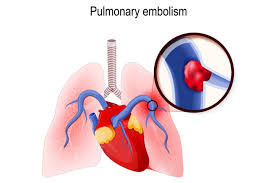
- Gumpalan darah. Jika terbentuk gumpalan darah pada pembuluh vena dekat permukaan kulit maka dapat terjadi peradangan dan bengkak pada pembuluh vena. Jika gumpalan darah terbentuk pada pembuluh vena yang lebih dalam, dapat menyebabkan nyeri dan bengkak pada tungkai. Gumpalan tersebut juga dapat berjalan ke paru dan menyumbat pembuluh darah paru (emboli paru)
- Luka pada kulit. Luka yang nyeri dapat timbul pada kulit dekat varises, terutama bagian pergelangan kaki. Biasanya timbulnya luka didahului oleh perubahan warna kulit
Pencegahan
Untuk mencegah varises, hal yang dapat dilakukan adalah:
- Hindari berdiri atau duduk dalam waktu lama. Usahakan untuk bergerak atau berjalan setiap 30 menit
- Olahraga teratur. Olahraga dapat memperbaiki peredaran darah dan menjaga berat badan tetap ideal
- Hindari memakai sepatu tinggi
- Makan makanan berserat tinggi dan rendah garam
Cara ini dapat dilakukan juga untuk mengurangi gejala varises yang sudah ada.
Kapan Harus ke Dokter ?
Jika Anda memiliki varises dan tidak merasa terganggu, maka Anda tidak harus berkonsultasi ke dokter.
Anda sebaiknya berkonsultasi ke dokter jika:
- Varises menyebabkan nyeri, rasa tidak nyaman, pembengkakan, rasa berat, atau gatal
- Perubahan warna kulit tungkai
- Terdapat gangguan pada kulit di atas area yang terkena, misalnya eksim
- Terdapat luka pada tungkai
Jika Anda mengalami perdarahan dari varises dan tidak segera berhenti, segera pergi ke fasilitas kesehatan terdekat karena hal ini membutuhkan terapi yang segera.
Mau tahu informasi seputar penyakit lainnya? Cek di sini, ya!
- dr Nadia Opmalina
Varicose veins. nhs.uk. (2022). Retrieved 8 April 2022, from https://www.nhs.uk/conditions/varicose-veins/.
Varicose Veins - Cardiovascular Disorders - MSD Manual Professional Edition. MSD Manual Professional Edition. (2022). Retrieved 9 April 2022, from https://www.msdmanuals.com/professional/cardiovascular-disorders/peripheral-venous-disorders/varicose-veins.
Varicose veins - Diagnosis and treatment - Mayo Clinic. Mayoclinic.org. (2022). Retrieved 9 April 2022, from https://www.mayoclinic.org/diseases-conditions/varicose-veins/diagnosis-treatment/drc-20350649.