
Definisi
Tonsilitis merupakan infeksi yang menyebabkan peradangan pada amandel. Dalam bahasa kedokteran, amandel disebut sebagai tonsil. Tonsil terdiri atas dua buah massa jaringan yang terdapat pada tenggorokan bagian belakang. Tonsil berperan sebagai penyaring yang menjebak organisme atau kuman berbahaya agar tidak menyebar dan mengakibatkan infeksi yang lebih luas. Namun, tak jarang tonsil terinfeksi virus atau bakteri sehingga membengkak dan menyebabkan munculnya nyeri yang menganggu. Umumnya, kebanyakan kasus tonsilitis disebabkan karena infeksi bakteri.
Tonsilitis merupakan penyakit yang dapat terjadi pada semua usia. Namun, penyakit ini cenderung lebih banyak ditemukan terutama pada anak-anak. Penyakit ini dibagi dalam tiga kelompok, diantaranya yaitu tonsilitis akut, tonsilitis kronis dan tonsilitis rekuren.
Tonsilis akut merupakan peradangan pada tonsil yang umumnya memunculkan gejala selama tiga hingga empat hari atau bahkan bisa bertahan hingga dua minggu. Tonsilitis kronis didefinisikan sebagai peradangan pada tonsil akibat infeksi yang berlangsung lebih dari dua minggu. Sedangkan tonsilitis rekuren merupakan infeksi pada tonsil dengan gejala yang terjadi beberapa kali dalam satu tahun, hilang dan timbul. Sembuh, kemudian muncul kembali.
Penyebab
Tonsilitis umumnya terjadi karena infeksi yang disebabkan oleh bakteri atau virus. Bakteri yang paling sering menyebabkan infeksi tonsil adalah Streptococcus. Bakteri ini yang juga dapat menyebabkan peradangan pada dinding tenggorokan. Selain Streptococcus, terdapat beberapa bakteri lain yang dapat menyebabkan terjadinya tonsilitis, yaitu Mycoplasma pneumoniae, Corynebacterium diphteriae, dan Chlamydia pneumoniae.
Pada umumnya, kasus tonsilitis akut disebabkan oleh infeksi virus, diantaranya Adenovirus, Virus influenza, Virus parainfluenza, Enterovirus, Virus herpes simpleks, dan Virus Epstein-barr.
Faktor Risiko
Anak-anak memiliki risiko tinggi untuk mengalami tonsilitis. Namun, kasus tonsilitis jarang terjadi pada anak berusia dibawah dua tahun. Anak-anak umumnya banyak menghabiskan waktu bersama dengan teman sebayanya sehingga mereka lebih rentan terpapar oleh kuman penyebab tonsilitis.
Orang usia dewasa yang banyak menghabiskan waktu bersama anak-anak juga rentan terinfeksi. Tonsilitis yang disebabkan oleh bakteri Streptococcus umumnya banyak terjadi pada anak-anak berusia 5-15 tahun. Sedangkan tonsilitis yang disebabkan oleh virus cenderung lebih banyak menyebabkan tonsilitis pada anak berusia yang lebih muda.
Gejala
Gejala yang paling sering ditemukan pada kasus tonsilitis diantaranya;
- Demam
- Tonsil atau amandel tampak membengkak dan berwarna kemerahan
- Terdapat selaput berwarna putih atau kuning yang menyelimuti tonsil,
- Tenggorokan terasa sakit
- Kesulitan untuk menelan atau terasa nyeri pada saat menelan
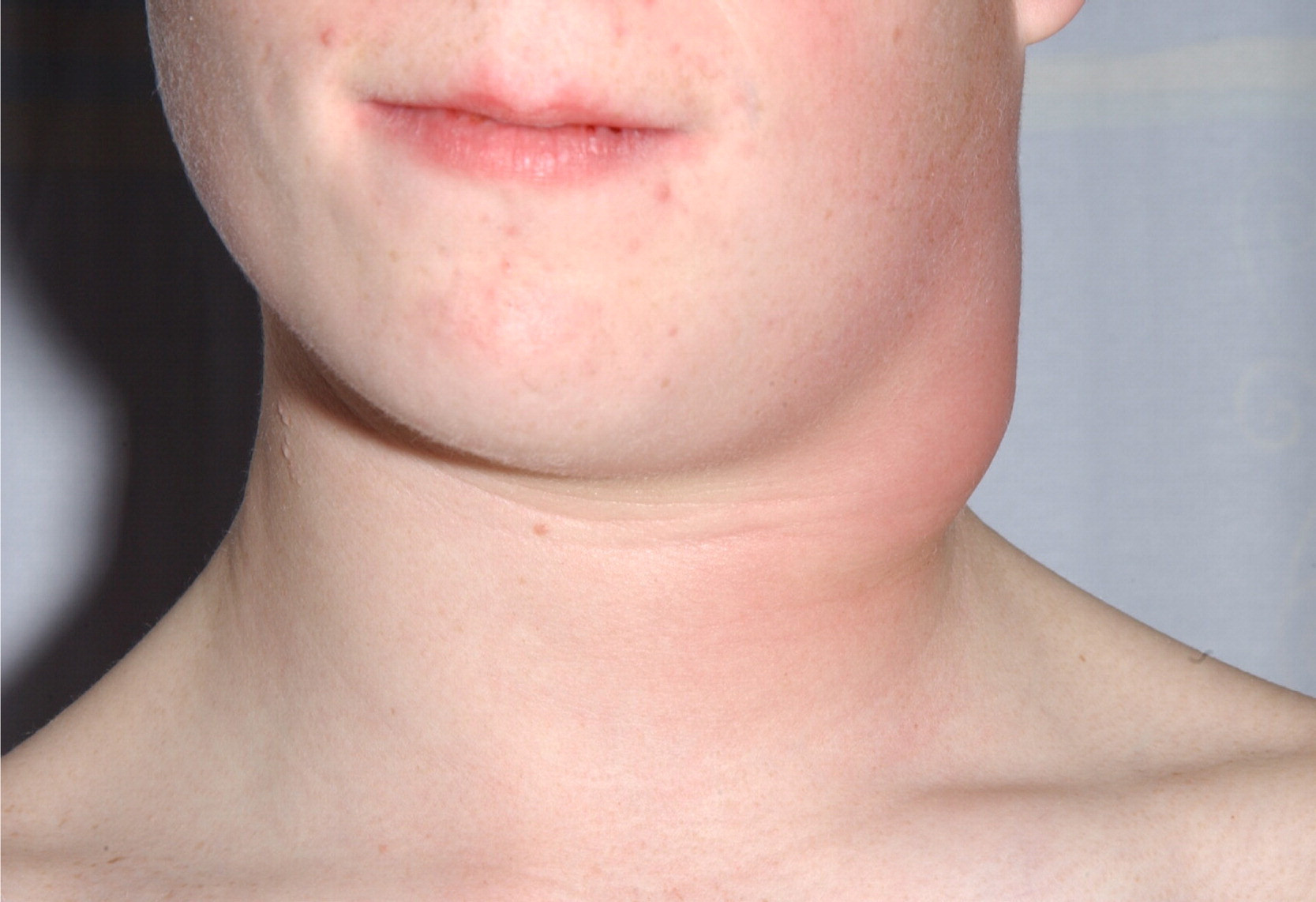
- Pembesaran pada kelenjar getah bening terutama pada area leher
- Suara menjadi serak,
- Kesulitan bernafas,
- Nyeri atau kaku pada leher,
- Kepala terasa sakit.
Pada anak-anak yang tidak dapat menceritakan keluhannya, gejala tonsilitis dapat dinilai dengan melihat perilaku atau tingkah laku anak seperti tampak kesakitan pada saat menelan makanan, atau menjadi sulit makan, nafsu makan menurun, anak menjadi rewel dan mengalami demam.
Diagnosis
Penegakan diagnosis tonsilitis umumnya dilakukan oleh dokter Anda dengan menanyakan adanya gejala-gejala seperti yang telah disebutkan di atas. Lebih lanjut, dokter Anda akan melakukan pemeriksaan fisik dengan melihat apakah terdapat pembengkakan atau menilai adanya selaput yang menyelubungi tonsil, mencari adanya terdapat tanda-tanda peradangan pada area dinding tenggorokan hingga tonsil. Dokter Anda juga dapat melakukan pemeriksaan dengan meraba dan merasakan apakah terdapat pembengkakan yang teraba terutama pada daerah leher.
Dokter Anda juga akan melakukan pemeriksaan suara paru-paru untuk menilai adanya infeksi pada paru dan menganalisa hubungan antara kedua lokasi infeksi tersebut, yaitu tonsil dan paru. Pada pemeriksaan laboratorium, dokter Anda mungkin akan melakukan teknik swab tenggorokan. Swab tenggorokan dilakukan untuk mengambil sampel dari tenggorokan Anda yang kemudian diperiksa pada laboratorium. Pemeriksaan ini dilakukan untuk melihat secara pasti mikroorganisme atau kuman menyebabkan terjadinya peradangan pada amandel atau tonsilitis Anda.
Pemeriksaan swab tenggorokan dilakukan dengan cara meletakkan alat swab steril dan mengambil sampel dari dinding tenggorokan Anda. Kemudian dsampel tersebut dikirim ke laboratorium dan dilakukan pemeriksaan untuk menentukan jenis kuman penyebab.
Selain pemeriksaan swab tenggorokan, dokter Anda juga dapat melakukan pemeriksaan hitung sel darah lengkap. Pemeriksaan ini dilakukan untuk melihat sel darah yang mengalami peningkatan dan mengindikasikan terjadinya proses infeksi terjadi akibat bakteri atau virus. Namun, pemeriksaan hitung darah lengkap tidak perlu dilakukan apabila hasil swab tenggorokan ditemukan negatif.
Tata Laksana
Terapi pada tonsilitis dapat berbeda-beda tergantung dari organisme atau kuman penyebabnya. Pada tonsilitis yang disebabkan oleh infeksi virus, dokter Anda tidak akan memberikan resep antibiotik. dokter Anda akan menyarankan Anda untuk beristirahat dengan cukup dan tetap memperhatikan asupan makanan yang dikonsumsi. Kasus tonsilitis yang disebabkan oleh virus biasanya akan sembuh dalam waktu sepuluh hari kemudian.
Pada infeksi yang disebabkan oleh bakteri, dokter akan memberikan resep antibiotik. Penggunaan antibiotik dilakukan sesuai dengan resep dokter. Penggunaan yang tidak tepat dapat menyebabkan munculnya resistensi dan dapat berdampak berbahaya dikemudian hari. Selain memberikan antibiotik, dokter akan memberikan obat untuk meredakan gejala yang muncul, seperti demam atau nyeri. Dokter juga akan menyarankan Anda untuk istirahat cukup, cukup asupan cairan dan makan makanan yang bergizi, rajin berkumur dengan larutan air garam, menghindari kebiasaan yang dapat menyebabkan iritasi seperti merokok.
Pada kasus yang tidak respon terhadap pemberian obat-obatan dan menyebabkan gejala berat seperti gangguan menelan hingga gangguan pernapasan, tindakan pembedahan untuk menghilangkan tonsil (tonsillectomy) dapat menjadi salah stau pilihan yang ditawarkan oleh dokter Anda.
Komplikasi
Tonsilitis yang tidak segera diobati dapat menyebabkan berbagai komplikasi penyakit. Beberapa diantaranya seperti perubahan status mental atau penurunan kesadaran, trismus dan demam tinggi. Selain itu, tonsilitis yang tidak diobati dapat menyebabkan terjadinya pembengkakan yang akan semakin membesar dan menyebabkan gangguan menelan, gangguan pernapasan terutama jika Anda memiliki gangguan pada saat tidur (sleep apnea), infeksi pada telinga, nanah yang menumpuk di sekitar tonsil dan infeksi yang menyebar lebih dalam hingga menembus jaringan di sekitarnya.
Pada pasien tonsilitis yang disebabkan oleh infeksi bakteri Streptococcus, dapat terjadi beberapa komplikasi penyakit yang serius diantaranya demam rematik, demam scarlett, sinusitis, dan infeksi pada ginjal (glumerulonefritis).
Pencegahan
Cara terbaik untuk mencegah tonsilitis adalah dengan menjaga kebersihan, mencuci tangan sebelum makan, tidak berbagi alat makan atau minum atau peralatan pribadi seperti sikat gigi yang digunakan bersamaan dengan orang lain, sebisa mungkin menghindari dan waspada terhadap orang-orang di sekitar Anda yang sedang mengalami sakit tenggorokan atau tonsilitis.
Kapan harus Ke Dokter?
Segera hubungi dokter apabila mengalami gejala yang mengindikasikan tonsilitis atau peradangan amandel seperti demam, nyeri pada tenggorokan yang tidak hilang dalam kurun waktu 24 hingga 48 jam, nyeri dan kesulitan pada saat menelan, rasa lelah dan lemas. Pada anak-anak, dapat dijumpai tanda seperti air liur yang banyak menetes dan anak tampak rewel.
- dr Anita Larasati Priyono

(Mayo Clinic, 2020) Symptoms & Causes diakses pada 4 Maret 2022 dari Tonsillitis - Symptoms and causes - Mayo Clinic
(Mayo Clinic, 2020) Diagnosis & Treatment diakses pada 4 Maret 2022 dari Tonsillitis - Diagnosis and treatment - Mayo Clinic
(Medscape, 2022) Tonsillitis and Peritonsillar Abscess diakses pada 4 Maret 2022 dari Tonsillitis and Peritonsillar Abscess: Practice Essentials, Background, Pathophysiology and Etiology (medscape.com)
(WebMD, 2021) Tonsillitis diakses pada 4 Maret 2022 dari Tonsillitis: Symptoms, Causes, Treatments, Surgery, and Remedies (webmd.com)