Definisi
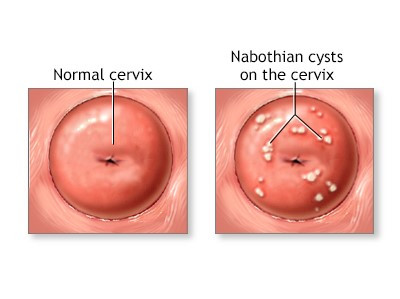
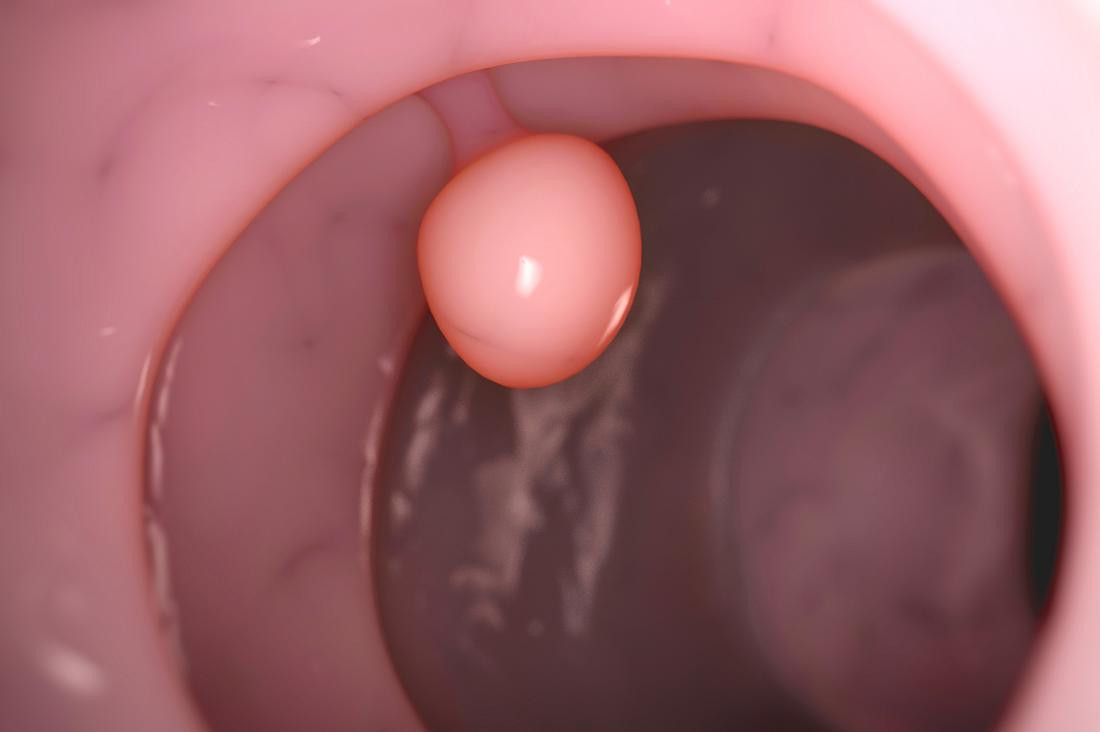
Servisitis adalah suatu kondisi peradangan pada serviks atau leher rahim. Peradangan yang terjadi dapat disebabkan oleh adanya iritasi, infeksi atau luka terutama pada lapisan sel epitel kolumnar serviks.
Peradangan pada serviks dapat muncul mendadak atau berlangsung lama. Kedua kondisi ini umumnya disebabkan oleh hal yang berbeda. Servisitis adalah suatu penyakit yang sering ditemukan dan biasanya berhubungan dengan infeksi menular seksual. Diperkirakan sekitar lebih dari separuh wanita dewasa akan mengalami servisitis pada satu titik di masa hidupnya. Kejadian servisitis dapat berulang pada sekitar 8-25% wanita.
Bila Anda tertarik untuk membaca lebih dalam mengenai infeksi menular seksual, Anda bisa membacanya di sini: Infeksi Menular Seksual - Definisi, Penyebab dan Faktor Risiko.
Penyebab
Penyebab dari servisitis dibagi menjadi dua, yaitu karena infeksi dan penyebab non-infeksi.
Infeksi
Infeksi adalah penyebab tersering dari servisitis pada seseorang. Ada beberapa agen infeksi yang bisa menyebabkan servisitis, yaitu bakteri, virus, jamur atau parasit yang bisa dilihat di bawah ini:
- Bakteri Chlamydia trachomatis, adalah salah satu kuman yang paling sering menyebabkan servisitis.
- Bakteri Neisseria gonorrhea
- Virus Herpes simplex
- Parasit Trichomonas vaginalis
- Bakteri Mycoplasma genitalium
- Terjadinya pertumbuhan bakteri normal yang berlebihan pada vagina
Non-Infeksi
Sementara itu, penyebab selain infeksi yang bisa menyebabkan peradangan leher rahim adalah:
- Reaksi alergi terhadap beberapa bahan kimia atau suatu produk. Bahan latex dari kondom dan produk cairan pembersih vagina dapat menjadi salah satu penyebab alergi.
- Iritasi terhadap bahan kimia seperti sabun dan spermisida (bahan kimia yang membunuh sperma).
- Adanya cedera yang menyebabkan perlukaan pada serviks, seperti pemasangan suatu alat pada rahim atau pasca menjalani suatu prosedur operasi.
- Penyakit peradangan seluruh tubuh juga berhubungan dengan kejadian peradangan pada serviks.
- Ketidakseimbangan hormon estrogen yang rendah dan hormon progesteron tinggi menganggu kemampuan tubuh untuk bisa menjaga kesehatan jaringan serviks.
- Terapi radiasi dapat menyebabkan perubahan pada lapisan serviks.
Faktor Risiko
Terdapat beberapa kelompok individu yang memiliki risiko lebih tinggi mengalami servisitis, yaitu:
- Berhubungan seksual lebih dari 1 pasangan.
- Perilaku seksual yang berisiko tinggi mengalami infeksi menular seksual.
- Berusia dini saat melakukan hubungan seksual.
- Pasangan seksual yang dicurigai menderita infeksi menular seksual dan tidak menggunakan kondom saat berhubungan.
- Memiliki riwayat infeksi menular seksual sebelumnya.
Gejala
Sebagian besar wanita tidak mengalami gejala dan tanda saat sedang mengalami servisitis. Biasanya seseorang ditemukan mengalami servisitis ketika melakukan pemeriksaan rutin pada vagina atau rahim. Bila timbul gejala, terdapat beberapa keluhan yang bisa dialami oleh penderita servisitis, antara lain:
- Adanya lendir/cairan yang keluar dari vagina dapat berupa darah, lendir/cairan berwarna kuning, hijau atau keabuan. Jumlahnya bervariasi dapat sedikit hingga banyak.
- Nyeri saat buang air kecil atau frekuensi buang air kecil meningkat.
- Nyeri ketika berhubungan seksual.
- Keluar darah setelah melakukan hubungan seksual.
- Adanya darah yang keluar dari vagina di luar periode menstruasi.
- Gatal atau iritasi pada bagian vagina.
- Adanya bau tidak sedap di daerah kemaluan.
- Dapat juga mengalami nyeri perut atau pinggang hingga demam, namun gejala ini jarang terjadi.
- Nyeri pada punggung bawah atau kemaluan.
- Sensasi penuh atau tertekan pada area perut bawah
Diagnosis
Apabila dokter mencurigai adanya penyakit yang berhubungan dengan organ reproduksi, dokter akan mewawancarai serta memeriksa Anda.Pertama, dokter akan bertanya mengenai gejala dan keluhan yang Anda alami seperti yang sudah disebutkan di atas. Karena berhubungan dengan organ reproduksi, pertanyaan berikut juga bisa ditanyakan:
- Perilaku seksual
- Kebersihan kelamin
- Penggunaan kontrasepsi
- Riwayat kehamilan
- Riwayat infeksi menular dan servisitis sebelumnya
Selanjutya, dokter akan melakukan pemeriksaan fisik terutama pada bagian perut bawah, pinggang, kemaluan dan rahim.
Bila diperlukan, untuk membantu menegakkan diagnosis dan menyingkirkan kemungkinan keluhan disebabkan oleh penyakit lain, dokter juga akan merekomendasikan untuk dilakukan pemeriksaan swab vagina dan serviks. Cairan/lendir dari kemaluan atau serviks akan diambil dengan menggunakan suatu alat usap. Pemeriksaan ini bertujuan untuk mengetahui penyebab pasti dari servisitis dengan melakukan analisis sampel cairan/lendir melalui mikroskop.
Tata Laksana
Tata laksana dari servisitis meliputi terapi dengan obat dan pengobatan non-farmakologis. Namun sebelum memperoleh terapi, perlu ditentukan terlebih dahulu penyebab dari servisitis, apakah disebabkan oleh infeksi atau tidak.
Pemberian obat pada kondisi infeksi akan bergantung dengan penyebab infeksi. Antibiotik diberikan bila servisitis disebabkan oleh bakteri. Antibiotik harus dihabiskan untuk mencegah terjadinya resistensi bakteri terhadap pengobatan. Terapi antibiotik juga bisa diberikan berdasarkan kebijakan dokter, direkomendasikan terutama pada wanita yang berisiko tinggi mengalami infeksi menular seksual.
Obat yang diberikan dapat berupa obat minum ataupun obat suntik injeksi bergantung dengan tingkat keparahan servisitis yang dialami. Terapi hormonal juga dapat diberikan jika servisitis disebabkan oleh ketidakseimbangan hormon yang sering terjadi pada pasien manapouse.
Pengobatan servisitis bertujuan untuk mengatasi dan mencegah terjadinya komplikasi, terutama pada kondisi yang disebabkan oleh infeksi. Diharapkan infeksi tidak menyebar ke organ reproduksi lain yang membuat penyakit menjadi lebih berat. Keberhasilan suatu pengobatan juga didukung dari kepatuhan dalam minum obat, anjuran supaya pasangan seksual juga menjalani pengobatan, tidak melakukan hubungan seksual hingga pengobatan selesai dan dinyatakan sembuh.
Selanjutnya, dokter akan melakukan evaluasi kembali terkait dengan keberhasilan pengobatan yang dijalani. Umumnya, servisitis dapat sembuh dalam waktu 1-2 minggu dengan pengobatan yang tepat.
Anda bisa membaca artikel menopause di sini: Menopause - Definisi, Penyebab dan Faktor Risiko.
Komplikasi
Serviks adalah suatu bagian dari rahim dan menjadi pelindung bagi rahim dari berbagai penyebab infeksi seperti bakteri, virus atau jamur. Infeksi yang menyerang serviks dapat menyebar ke rahim, saluran rahim bahkan hingga ke rongga panggul.
Salah satu komplikasi serius yang dapat terjadi dari penyakit servisitis adalah adanya peradangan pada rongga panggul atau yang juga dikenal dengan PID (Pelvic Inflammatory Disease). Infeksi rongga panggul menimbulkan peradangan dan pembentukan jaringan parut pada beberapa organ reproduksi seperti ovarium (indung telur) dan tuba fallopi (saluran rahim).
Selanjutnya, kondisi ini akan menyebabkan terjadinya gejala sisa seperti:
- Terbentuknya kantung berisi nanah (abses) pada rongga panggul atau ovarium.
- Infeksi atau nyeri yang berlangsung lama.
- Kehamilan di luar rahim (kehamilan ektopik).
- Masalah Ketidaksuburan.
Oleh karena itu, apabila Anda mengalami keluhan yang sudah disebutkan di atas, sebaiknya Anda melakukan pengobatan secara maksimal hingga dinyatakan sembuh untuk mencegah terjadinya komplikasi.
Pencegahan
Anda dapat mengurangi risiko terjadinya servisitis dengan melakukan beberapa langkah pencegahan seperti berikut:
- Menggunakan kondom untuk mencegah penularan infeksi.
- Setia pada pasangan dan tidak berhubungan seksual pada lebih dari 1 pasangan.
- Apabila mengalami infeksi menular seksual, sebaiknya segera berobat dan mengajak pasangan untuk berobat juga.
- Tidak berhubungan seksual dengan pasangan yang mengalami keluhan seperti keluar cairan dari kemaluannya.
- Hindari menggunakan suatu produk cairan pembersih vagina karena dapat menimbulkan iritasi pada vagina dan serviks.
- Hindari terlalu lama meletakkan benda atau alat tertentu dalam vagina seperti tampon.
Kapan Harus Ke Dokter?
Apabila Anda mengalami keluhan adanya cairan atau darah yang keluar dari vagina yang disertai dengan nyeri, dan tergolong berisiko mengalami infeksi menular seksual, Anda sebaiknya berobat ke dokter. Anda bisa berkonsultasi dengan dokter spesialis kulit kelamin untuk memperoleh penanganan lebih lanjut.
Mau tahu informasi seputar penyakit lainnya? Cek di sini, ya!
- dr Hanifa Rahma

Cervicitis – mountsinai. (2022). Retrieved 5 November 2022, from https://www.mountsinai.org/health-library/diseases-conditions/cervicitis.
What is cervicitis and what causes it? – medicalnewstoday. (2022). Retrieved 5 November 2022, from https://www.medicalnewstoday.com/articles/321666#causes.
Cervicitis – mayoclinic. (2022). Retrieved 5 November 2022, from https://www.mayoclinic.org/diseases-conditions/cervicitis/symptoms-causes/syc-20370814.
Cervicitis – clevelandclinic. (2022). Retrieved 5 November 2022, from https://my.clevelandclinic.org/health/diseases/15360-cervicitis.
Iqbal U, Wills C. Cervicitis – StatPearls. (2022). Retrieved 5 November 2022, from https://www.ncbi.nlm.nih.gov/books/NBK562193/.
Goodman B. Cervicitis – WebMD. (2022). Retrieved 5 November 2022, from https://www.webmd.com/women/guide/cervicitis.