Definisi
Puting terbenam adalah kondisi di mana puting payudara tertarik ke arah dalam. Hal ini membuat ujung puting terlihat masuk ke dalam atau rata dengan areola (daerah berwarna gelap yang mengelilingi puting payudara). Kondisi ini bisa dialami 10-20% masyarakat umum, dan dapat terjadi pada salah satu atau kedua payudara.
Baik laki-laki dan perempuan bisa memiliki puting terbenam. Anda dapat terlahir dengan kondisi seperti ini. Namun, jika puting terbenam muncul di kemudian hari, keluhan ini bisa menjadi tanda adanya kondisi medis yang harus diperiksa dokter.
Penyebab
Kondisi Lahir
Dalam kandungan, puting berkembang pada trimester ketiga. Selama di kandungan puting bisa tidak mencuat keluar dan tetap mengarah ke dalam saat lahir, hal ini terjadi karena dasar puting tetap berukuran kecil selama dalam kandungan atau saluran susu tidak berkembang sempurna. Akibatnya, puting tertarik ke arah dalam.
Proses Penuaan
Dimulai pada pertengahan usia 30-an, payudara Anda akan terus berubah seiring bertambahnya usia. Saluran susu (duktus laktiferus/mammary duct) yang berada dalam payudara dapat memendek ketika mendekati menopause. Terkadang hal ini dapat menyebabkan puting tertarik ke dalam. Karena risiko terkena kanker payudara bertambah seiring bertambahnya usia, Anda perlu memeriksakan diri ke dokter jika ada perubahan pada puting susu Anda.
Infeksi Payudara
Bakteri dapat masuk ke dalam saluran susu dan menyebabkan infeksi. Kondisi yang disebut mastitis periduktal ini terjadi terutama pada wanita yang baru saja melahirkan atau sedang menyusui. Bakteri juga dapat masuk pada wanita yang memiliki tindik pada putingnya atau puting yang lecet (cracked nipple).
Gejala-gejala yang mungkin terjadi akibat infeksi bakteri adalah:
- Nyeri, kemerahan dan rasa panas di payudara.
- Keluarnya cairan bercampur darah dari puting.
- Teraba benjolan pada di belakang puting.
Bila terdapat infeksi pada kelenjar susu di bawah areola payudara, bisa terbentuk benjolan berisi nanah (abses). Kondisi ini juga bisa membuat puting susu tertarik ke dalam.
Kami juga memiliki artikel mengenai puting lecet yang bisa Anda baca di sini: Puting Lecet - Definisi, Penyebab dan Faktor Risiko.
Faktor Risiko
Terdapat beberapa faktor risiko dari puting terbenam, di antaranya:
Penyakit Paget Payudara
Penyakit ini jarang dijumpai dan terkait dengan kanker payudara. Terjadi perubahan pada bagian puting dan areola. Selain pemipihan puting, penyakit Paget juga dapat menyebabkan nyeri, gatal, kulit terkelupas dan keluarnya cairan dari puting.
Mammary Duct Ectasia
Saluran yang membawa susu ke puting dapat mengalami pelebaran (ectasia) dan menjadi tersumbat. Kondisi yang disebut mammary duct ectasia ini biasanya menyerang wanita usia 45-55 tahun. Salah satu gejala penyakit ini adalah puting yang terlihat terbenam. Sumbatan pada saluran susu ini dapat hilang dengan sendirinya. Namun jika tidak sembuh, pengobatan menggunakan antibiotik atau operasi dapat mengatasinya.
Selain dua kondisi medis di atas, faktor yang turut bisa meningkatkan risiko puting payudara terbenam adalah:
- Payudara yang kendur
- Kematian jaringan lemak payudara akibat cedera/trauma (traumatic fat necrosis)
- Infeksi pada payudara
- Penurunan berat badan secara tiba-tiba
- Efek samping operasi payudara
- Salah satu gejala pada kanker payudara adalah puting yang tertarik ke dalam
Gejala
Puting payudara normalnya terlihat menonjol keluar. Puting payudara akan masuk ke dalam areola sehingga ujung puting akan terlihat terbenam atau menjadi rata dengan areola.
Dari derajat keparahannya, puting terbenam dapat dibagi menjadi tiga, yaitu:
- Derajat 1: Puting dapat dengan mudah ditarik keluar dan terkadang menonjol sendiri jika distimulasi atau berada pada suhu dingin. Pada puting terbenam derajat ini, Anda masih bisa menyusui bayi Anda.
- Derajat 2: Puting dapat ditarik keluar, namun secara cepat akan kembali ke bentuknya semula. Anda mungkin akan mengalami kesulitan dalam menyusui.
- Derajat 3: Puting mungkin tidak dapat ditarik keluar sehingga proses menyusui tidak dapat dilakukan.
Diagnosis
Puting terbenam biasanya bisa langsung terlihat saat perempuan menginjak usia pubertas. Pada banyak kasus, puting terbenam yang muncul sebelum pubertas akan sembuh dengan sendirinya setelah perempuan menginjak masa pubertas. Kondisi ini biasanya tidak menyebabkan masalah kesehatan. Dokter akan memeriksa bila keluhan puting terbenam disertai dengan keluhan lain yang bisa mengarah pada diagnosis penyakit lain.
Untuk menilai derajat puting terbenam, dokter Anda akan melakukan perabaan pada payudara dan puting. Bila puting terbenam baru muncul setelah pubertas dan disertai keluhan lain seperti keluar darah dari puting atau benjolan pada payudara, ditakutkan keluhan terjadi akibat keganasan atau kondisi medis lainnya.
Untuk itu, dokter Anda mungkin akan bertanya mengenai riwayat penyakit seperti kanker payudara di keluarga dan riwayat cedera/trauma pada payudara. Selain itu, dokter mungkin akan melakukan pemeriksaan lainnya seperti USG payudara, mammografi, biopsi sampel jaringan payudara dan MRI untuk mengetahui penyebab yang mendasari terjadinya puting terbenam.
Tata Laksana
Puting terbenam yang tidak menyebabkan keluhan lain umumnya tidak memerlukan tata laksana apapun. Pengobatan dilakukan bila Anda merasa kondisi ini mengganggu secara estetis atau menghambat proses menyusui.
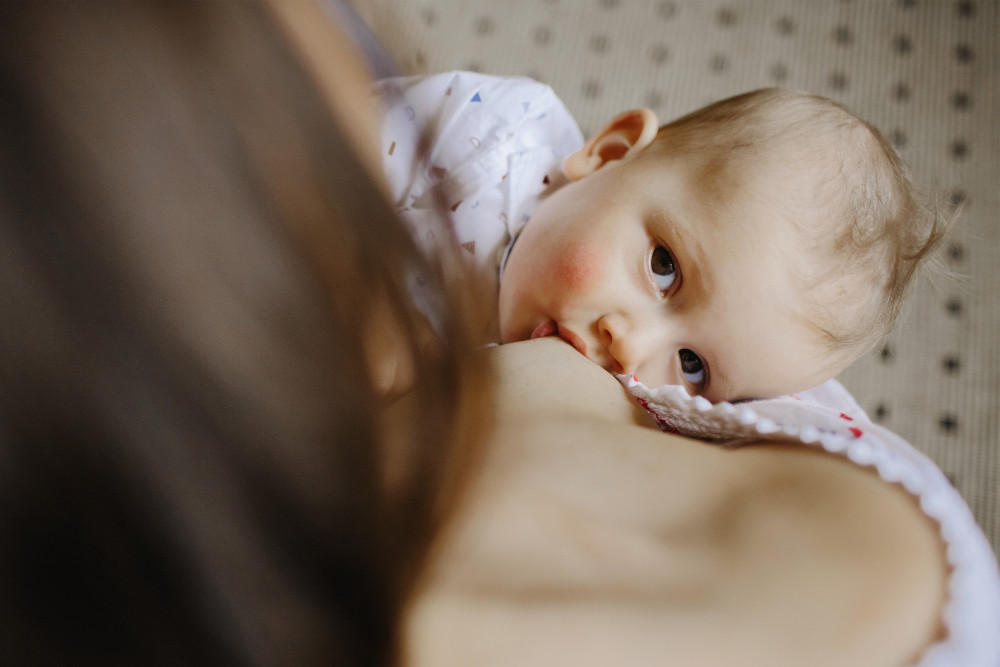
Proses menyusui sendiri dapat dianggap sebagai pengobatan puting terbenam, karena tindakan bayi mengisap puting ibu dapat melepaskan perlengketan pada puting yang menyebabkan puting masuk ke dalam.
Tidak ada pilihan pengobatan tertentu yang dapat dijadikan standar dalam tata laksana puting terbenam. Dokter akan menilai derajat puting terbenam yang pasien miliki. Prosedur operasi biasanya dilakukan pada puting terbenam derajat 2 yang persisten dan derajat 3.
Berikut adalah pilihan pengobatan pada kondisi puting terbenam.
Teknik Hoffman
Teknik ini dilakukan dengan cara menekan kedua sisi puting pada areola menggunakan jari jempol. Selanjutnya Anda perlu menjauhkan kedua jempol dari puting. Dengan cara ini, puting dapat menonjol keluar. Cara ini dapat dipakai pada puting terbenam derajat ringan agar anda dapat menyusui bayi Anda dengan efektif. Namun jangan gunakan teknik ini sebelum Anda berkonsultasi dengan dokter, terutama jika kemungkinan puting terbenam disebabkan oleh penyakit lain yang menyertai puting terbenam.
Menggunakan Alat
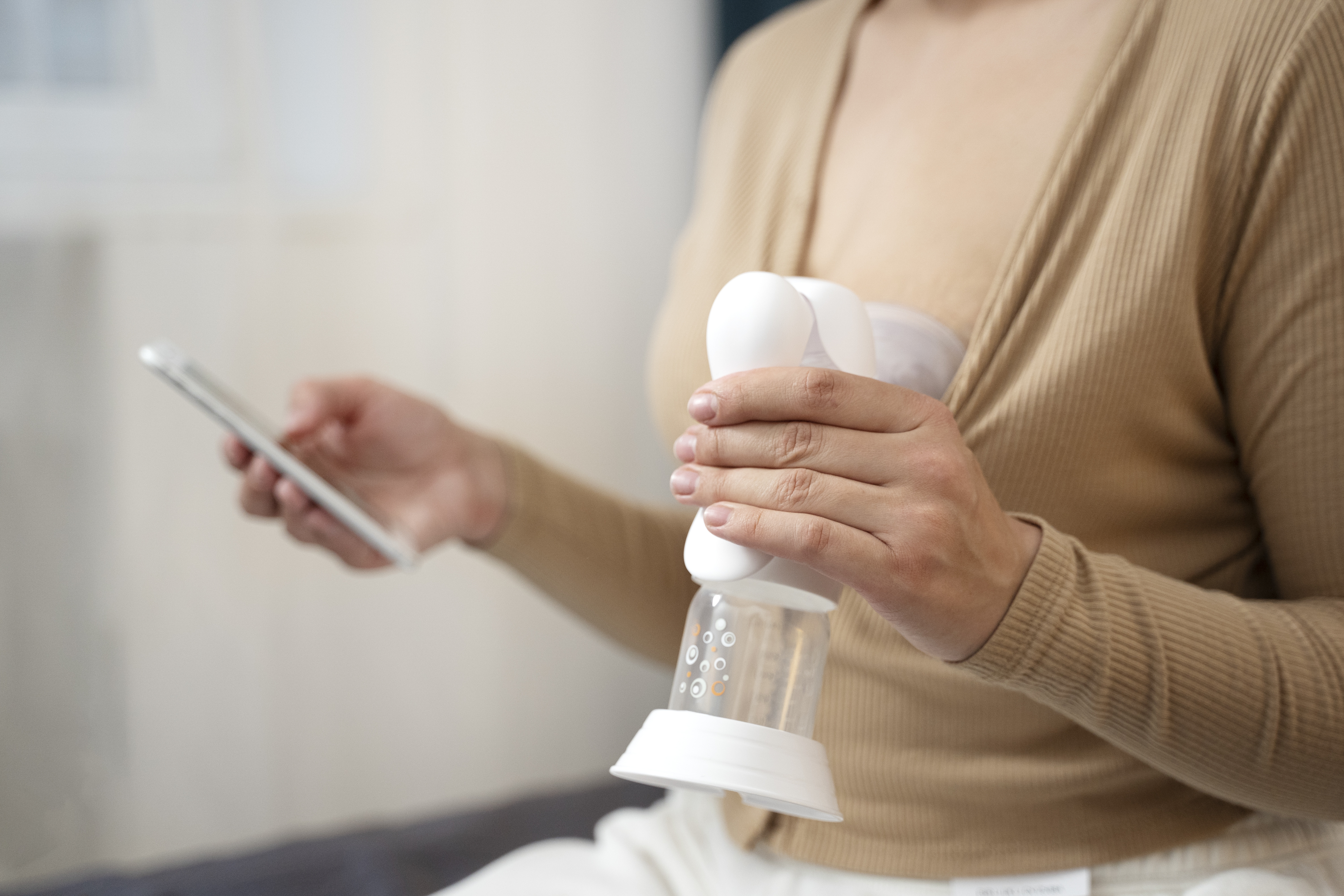
Dokter Anda mungkin akan menyarankan menggunakan alat penyedot termasuk pompa ASI, atau menggunakan spuit tanpa jarum untuk menarik puting yang terbenam.
Pada sebagian besar kasus, puting terbenam ditangani melalui operasi. Namun, prosedur operasi berisiko menimbulkan gangguan pada saluran susu, sehingga dapat menyebabkan gangguan produksi ASI pada ibu yang menyusui. Pada beberapa kasus, puting juga dapat kembali tertarik ke dalam setelah prosedur dilakukan.
Komplikasi
Kondisi puting terbenam biasanya tidak berbahaya dan tidak menimbulkan kondisi medis tertentu. Keadaan ini juga tidak memengaruhi produksi ASI dan ibu dengan puting terbenam tidak boleh berhenti menyusui bayinya karena hal ini.
Namun, pada beberapa kasus yang disebabkan kondisi medis tertentu seperti kanker payudara, berbagai komplikasi akibat penyakit-penyakit tersebut dapat timbul, seperti perdarahan dan infeksi.
Pencegahan
Tidak ada langkah pencegahan khusus untuk menghindari kondisi ini. Anda mungkin lahir dengan puting terbenam atau memiliki penyakit lainnya yang menyebabkan kondisi ini.
Kapan Harus ke Dokter?
Segera pergi ke dokter jika kondisi puting terbenam membuat proses menyusui terganggu. Anda juga perlu segera pergi ke dokter jika terdapat tanda dan gejala penyakit lain yang mendasari puting terbenam, seperti benjolan pada payudara dan keluarnya cairan bercampur darah dari puting.
Mau tahu informasi seputar penyakit lainnya? Cek di sini, ya!
- dr Hanifa Rahma

Healthline. (2019, March 28). Nipple retraction: Causes, treatment, picture, and more. Retrieved October 16, 2022, from https://www.healthline.com/health/nipple-retraction.
Rao, D. N., & R. W. (2022). Inverted nipple - statpearls - NCBI bookshelf. Retrieved October 16, 2022, from https://www.ncbi.nlm.nih.gov/books/NBK563190/.
WebMD. (2020). Inverted nipples: Common causes. Retrieved October 16, 2022, from https://www.webmd.com/women/inverted-nipples-causes.