

Brand/Nama Lain
Infip, Babel, Biome DTX, Night Nature, S Green, Tru Clenz, Maximus, Lifiber, Vegetta Scrubber.
Cara Kerja
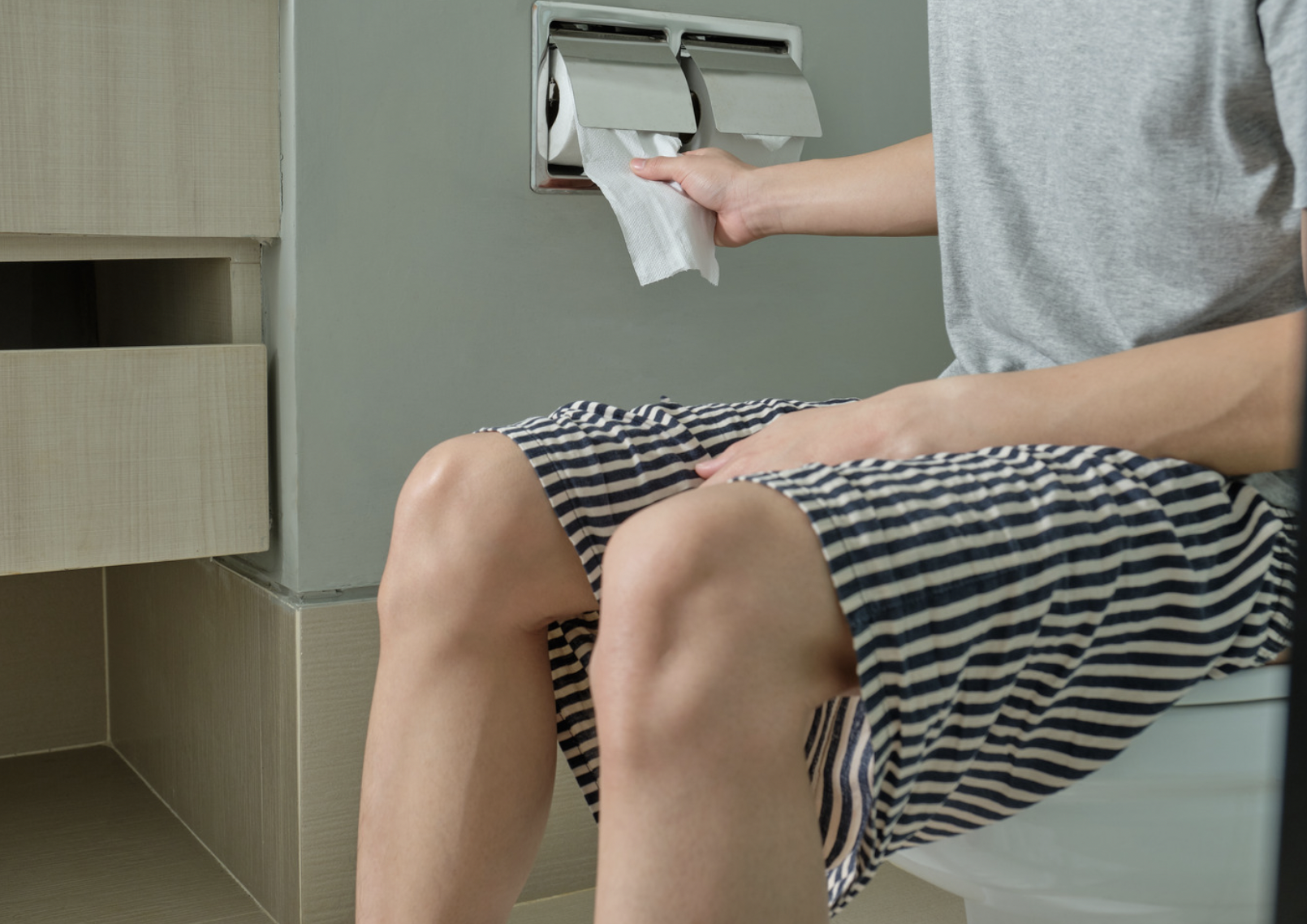
Psyllium adalah sejenis serat yang terbuat dari sekam biji tanaman Plantago ovata. Psyllium dikenal juga dengan nama Ispaghula. Psyllium adalah obat pencahar pembentuk massa tinja/feses. Psyllium bekerja dengan cara menyerap air di usus dan membuat buang air besar (BAB) lebih mudah dan dapat membantu meningkatkan keteraturan BAB tanpa meningkatkan gejala perut kembung. Psyllium dapat dikonsumsi satu kali untuk meringankan sembelit, atau dapat ditambahkan ke diet sehari-hari untuk membantu meningkatkan keteraturan dan kesehatan pencernaan.
Indikasi
Psyllium paling sering dikenal sebagai obat pencahar yang digunakan untuk mengatasi keluhan sembelit atau susah BAB. Namun, penelitian menunjukkan bahwa mengonsumsi psyllium juga bermanfaat bagi kesehatan banyak organ-organ lain tubuh manusia, termasuk kesehatan organ jantung dan pankreas.
Kontraindikasi
- Riwayat alergi psyllium sebelumnya.
- Pasien dengan gangguan kesehatan seperti berikut: Impaksi fekal (kondisi dimana feses/tinja mengeras dan tidak bisa dikeluarkan dari usus besar/rektum, biasanya disebabkan oleh sembelit kronis), penyumbatan/obstruksi usus, dan penurunan pergerakan usus.
Efek Samping
Perut kembung, impaksi saluran pencernaan, penyumbatan/obstruksi saluran pencernaan, dan reaksi alergi seperti ruam kemerahan dan gatal-gatal di kulit, mual, muntah, dan sesak nafas. Segera cari pertolongan medis jika Anda mengalami gejala alergi serius setelah mengonsumsi psyllium.
Sediaan
Bubuk (sachet) dan kapsul.
Dosis
- Dewasa: 3,5 g 1-3 kali sehari. Campur dengan segelas penuh air.
- Anak 12 tahun: Tiap takaran 5 mL sendok takar berisi 1,75 g psyllium. Konsumsi setengah (2,5 ml) hingga satu takaran 5 mL sendok takar (pagi dan sore) untuk dilarutkan dalam air.
Keamanan
Belum ada informasi mengenai keamanan psyllium jika dikonsumsi oleh ibu hamil dan menyusui. Pastikan Anda melakukan konsultasi terlebih dahulu dengan dokter Anda sebelum mengonsumsi obat ini.
Interaksi Obat
Dapat menunda atau mengurangi penyerapan obat-obat lain misalnya cardiac glycosides, turunan coumarin, litium, vitamin (misalnya vitamin B12) dan mineral (misalnya kalsium, zat besi, dan seng).
Mau tahu informasi seputar obat-obatan lainnya? Cek di sini, ya!
- dr Nadia Opmalina
BPOM RI. Psyllium. cekbpom.pom.go.id. Retrieved 3 February 2022, from https://cekbpom.pom.go.id//home/produk/69bhknndt7v4km8sdutf8ashf5/all/row/10/page/1/order/4/DESC/search/5/psyllium
MIMS Indonesia. Ispaghula Husk. Mims.com. Retrieved 3 February 2022, from https://www.mims.com/indonesia/drug/info/ispaghula%20husk?mtype=generic
Healthline. The Health Benefits of Psyllium. Healthline.com. Retrieved 3 February 2022, from https://www.healthline.com/health/psyllium-health-benefits
NCBI. Psyllium. ncbi.nlm.nih.gov. Retrieved 3 February 2022, from https://www.ncbi.nlm.nih.gov/books/NBK501346/