
Definisi
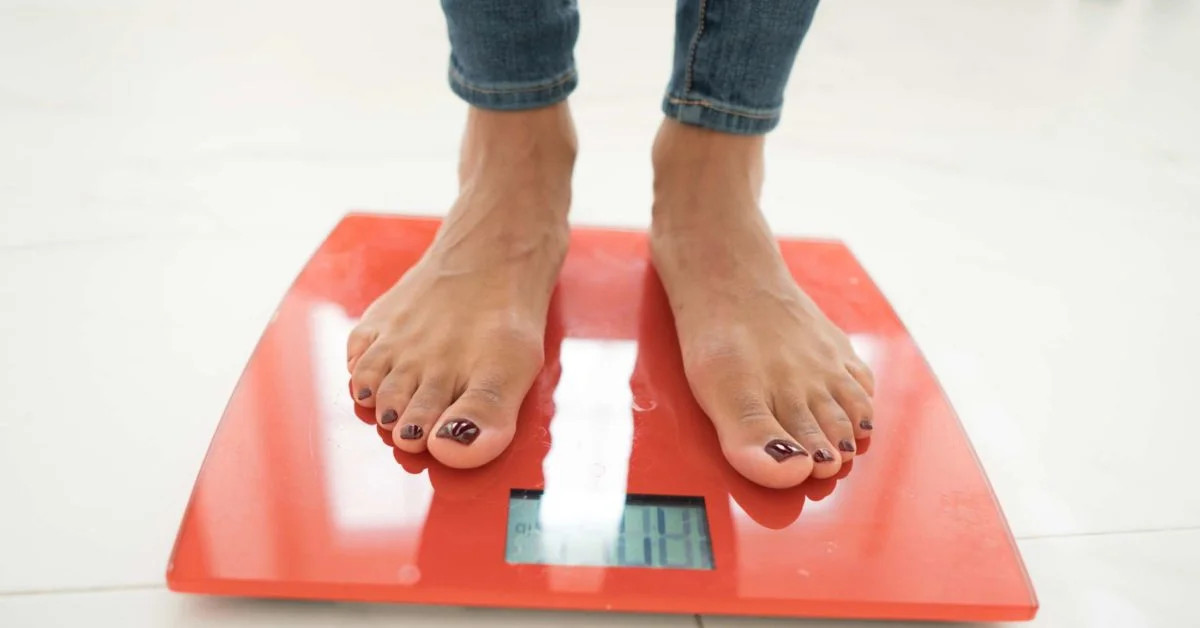
Kurus merupakan kondisi dimana proposi antara berat badan dengan tinggi badan tidak proposional. Pengukuran seseorang kurus, ideal atau obesitas dapat dilihat melalui indeks massa tubuh (IMT) atau body mass index (BMI). Adapun perhitungan dari BMI yaitu berat badan anda (dalam satuan kilogram) dibagi dengan tinggi anda yang telah dikuadratkan (dalam satuan meter) atau dapat menggunakan kalkulator BMI online.
Kategori dari pemeriksaan BMI untuk orang Asia yaitu :
|
Nilai BMI (kg/m2) |
Kategori |
|
Dibawah 18.5 |
Kurus atau underweight |
|
18.5 - 22.9 |
Berat badan normal |
|
23 - 27.5 |
Berat badan berlebih overweight |
|
Di atas 27.5 |
Obesitas |
Pengukuran BMI merupakan estimasi dari komposisi tubuh sehingga pada beberapa kelompok seperti atlet yang memiliki massa otot yang besar akan memiliki nilai BMI yang besar dan tidak benar-benar mengindikasikan massa tubuhnya. Selain itu, pengukuran BMI juga mungkin kurang akurat pada orang tua karena seiring berjalannya waktu akan mengalami kehilangan otot sehingga BMI mungkin akan masuk ke dalam kategori yang rendah.
Perlu diperhatikan, BMI dapat digunakan sebagai alat pemeriksaan awal tetapi tidak dapat digunakan sebagai diagnosa untuk mengukur lemak tubuh individu.
Penyebab
Selain dari asupan makanan yang dikonsumsi sehari-hari, beberapa penyebab yang dapat mempengaruhi berat badan seperti :
- Genetik atau riwayat keluarga
Seperti pada beberapa orang memiliki nilai BMI yang rendah secara genetik dari riwayat keluarga.
- Memiliki metabolisme yang tinggi
Bila seseorang memiliki metabolisme yang tinggi memiliki kemungkinan untuk tidak dapat mendapatkan berat badan bahkan ketika mengkonsumsi makanan tinggi energi
- Aktivitas fisik
Seseorang yang sering berolahraga seperti atlet atau seseorang dengan aktivitas tingkat tinggi untuk pekerjaannya, mungkin membakar kalori dalam jumlah banyak yang menyebabkan berat badan rendah.
- Penyakit fisik atau kronis
Penyakit seperti mual, muntah dan diare menyebabkan sulit untuk mendapatkan berat badan. Kondisi lain seperti penurunan nafsu makan sehingga pasien tidak ingin makan ditemukan pada pasien kanker, diabetes, tiroid dan gangguan pencernaan seperti penyakit Chrons atau lambung.
- Obat - obatan
Beberapa jenis obat dapat menyebabkan efek samping seperti mual dan nafsu makan berkurang. Pengobatan seperti kemoterapi salah satu yang dapat menyebabkan badan kurus dari pasien.
- Malnutrisi
Dimana anda kurang mengkonsumsi makanan sehat dengan nutrisi yang seimbang. Selain itu, kondisi fisik yang dapat menyebabkan tubuh tidak dapat menyerap nutrisi dengan baik dapat menyebabkan kurus melalui malnutrisi.
- Gangguan mental
Gangguan mental juga dapat mempengaruhi kemampuan seseorang untuk makan seperti depresi, kecemasan, obessive compulsive disorderdan kelainan makan seperti anoreksia (gangguan mental yang mempengaruhi pola maka pasien karena obsesi untuk memiliki postur yang kurus) dan bulimia (gangguan mental yang menyebabkan pasien memiliki kecenderungan untuk memuntahkan kembali makanan yang telah dimakan).
Faktor Risiko
Beberapa faktor risiko yang meningkatkan kemungkinan seseorang menjadi berat badan rendah diperkirakan seperti jenis kelamin, usia, berat badan saat kelahiran, BMI ibu dan tingkat pendidikan seseorang. Perempuan memiliki kecenderungan untuk mengalami kondisi ini. BMI rendah dari ibu yang melahirkan juga akan mempengaruhi berat badan bayi saat kelahiran serta berat badan anak tersebut. Tingkat pendidikan seseorang mempengaruhi dari nutrisi yang dipahami untuk dikonsumsi.
Gejala
Beberapa gejala dari kurus dilihat juga dari penyebab seperti malnutrisi menujukkan gejala rasa lelah atau energi yang terkuras, sering sakit atau kesulitan melawan sakit, memiliki siklus menstruasi yang tidak teratur bahkan terlewat, mengalami penipisan rambut, kulit kering atau permasalahan gigi. Selain itu, anda mungkin akan mengalami anemia, penurunan fungsi imun.
Gejala lain yang mungkin dapat terukur melalui perhitungan BMI. Gangguan makan juga dapat menyebabkan kurus karena pengaruh dari mental maupun pola makan. Adapun gejala dari gangguan makan seperti tingkah laku yang mencurigakan, berat badan yang turun tiba - tiba, tidak mau untuk hadir dalam acara keluarga atau acara sosial, tampak lelah, tidak mau makan di depan orang lain. Bila seseorang mengalami gejala tersebut, teman atau keluarga harus mendukung untuk mencari bantuan profesional dari seorang dokter atau terapis.
Diagnosa
Dokter akan melakukan pemeriksaan fisik seperti pengukuran berat badan dan tinggi badan anda untuk melihat kondisi anda melalui BMI. Centers for Disease Control and Prevention (CDC) merekomendasikan pengukuran massa indeks tubuh seseorang untuk mengkategorikan apabila pasien termasuk dalam kategori berat badan kurus, ideal atau kelebihan berat badan.
BMI dianggap sebagai pengukuran yang baik pada berat badan seseorang karena membandingkan dengan tinggi badannya. Pengukuran yang lebih akurat dapat menggunakan alat khusus yang dapat mengukur komposisi tubuh.
Tata Laksana
Bila seseorang kondisi kurus, beberapa metode yang dapat disarankan untuk dapat menaikkan berat badan dengan melakukan pola makan yang sehat dengan menggabungkan nutrisi dan kalori yang padat. Dokter mungkin akan merekomendasikan anda untuk berkonsultasi dengan dietitian atau ahli nutrisi untuk membantu anda dalam mengatur pola makan anda. Beberapa komponen kunci untuk diet menambah berat anda seperti :
- Menambahkan makanan kecil
Makanan kecil tinggi protein dan karbohidrat utuh seperti biskuit selai kacang, bar protein, kripik pita dan hummus atau almond.
- Mekan lebih sering dalam jumlah kecil
Terkadang pada pasien kurus disebabkan tidak dapat makan dalam porsi besar sehingga alternatif yang disarankan untuk makan lebih sering tetapi dalam jumlah lebih kecil sepanjang hari
- Menambahkan beberapa tambahan makanan
Tambahan pada makanan seperti almond pada yoghurt, biji bunga matahari atau biji chia pada salad atau sup.
- Hindari konsumsi kalori kosong
Makanan tinggi kalori dapat menyebabkan berat badan seseorang naik, tetapi dapat menyebabkan peningkatan lemak berlebih yang dapat mempengaruhi kesehatan jantung dan pembuluh darah. Selain itu, anda juga perlu menghindari makanan tinggi gula dan garam.
Komplikasi
Tidak semua orang mengalami efek samping atau gejala dari kurus, tetapi pada beberapa orang mengalami komplikasi seperti :
- Pada wanita dengan kondisi kurus memiliki peningkatan risiko osteopoerosis dimana tulang menjadi lebih rapuh dan rentan untuk patah
- Gangguan pada kulit, rambut atau gigi. Bila seseorang tidak mendapatkan nutrisi yang mencukupi pada kebutuhan sehari - hari, pasien tersebut dapat mengalami gejala fisik seperti kulit yang menipis, rambut rotok, kulit kering atau kesehatan gigi yang buruk
- Gangguan imunitas tubuh sehingga lebih mudah sakit
- Merasa lelah sepanjang hari
- Mudah mengalami darah rendah atau anemia yang dapat menyebabkan pusing, sakit kepala dan kelelahan
- Menstruasi yang tidak wajar pada wanita
- Kelahiran prematur
- Pertumbuhan yang lambat atau terganggu pada anak - anak.
Pencegahan
Menjaga pola makan yang baik dan bernutrisi merupakan salah satu pencegahan terbaik dari kurus. Bila anda memiliki riwayat keluarga kurus, diskusikan dengan nutrisionis terkait pola makan yang perlu anda konsumsi. Olahraga secara teratur juga membantu dalam menjaga berat badan anda.
Kapan Harus ke Dokter
Hubungi dokter anda bila anda berusaha untuk menaikkan berat badan tetapi masih belum menunjukkan hasil. Pada beberapa kasus, pasien mungkin mengalami efek dari kesehatan lain seperti siklus mestruasi yang terlewat atau kemandulan sehingga tidak dapat menaikkan berat badan perlu ke dokter. Bila seseorang mengalami kesulitan dengan masalah kesehatan atau gangguan makan, penting untuk mencari bantuan dari profesional.
Mau tahu informasi seputar penyakit lainnya? Cek di sini, ya!
- dr. Lukita Tarigan
Healthy weight. The Nutrition Source. (2023, February 2). https://www.hsph.harvard.edu/nutritionsource/healthy-weight/
Marcin, A. (2017, May 15). Underweight health risks: What you should know. Healthline. https://www.healthline.com/health/underweight-health-risks
MediLexicon International. (n.d.). Underweight health risks: Causes, symptoms, and treatment. Medical News Today. https://www.medicalnewstoday.com/articles/321612#treatment
NHS. (n.d.). NHS choices. https://www.nhs.uk/live-well/healthy-weight/managing-your-weight/advice-for-underweight-adults/