
Definisi
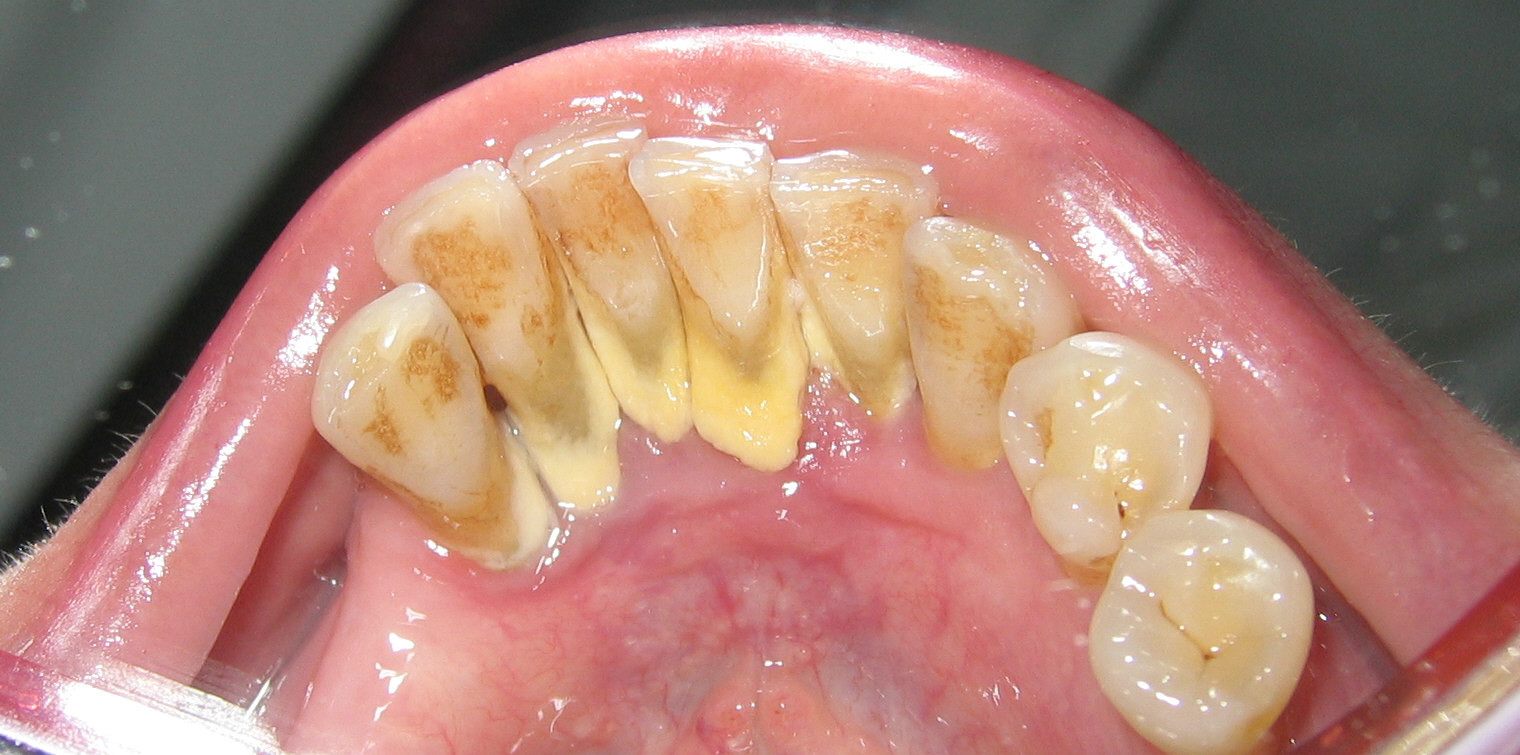
Gingivitis adalah peradangan pada jaringan gingiva atau yang sering disebut gusi. Kondisi ini paling sering disebabkan oleh infeksi bakteri yang ditandai dengan adanya gusi berdarah, bengkak serta terasa nyeri. Kebersihan mulut yang buruk merupakan faktor risiko utama dari gingivitis. Gingivitis yang tidak segera ditangani dapat menyebabkan kondisi yang lebih serius yaitu berkembang menjadi peradangan jaringan sekitar gusi seperti gigi dan tulang, atau yang sering disebut dengan periodontitis.
Penyebab
Berikut beberapa hal penyebab terjadinya gingivitis:
- Penumpukan plak gigi
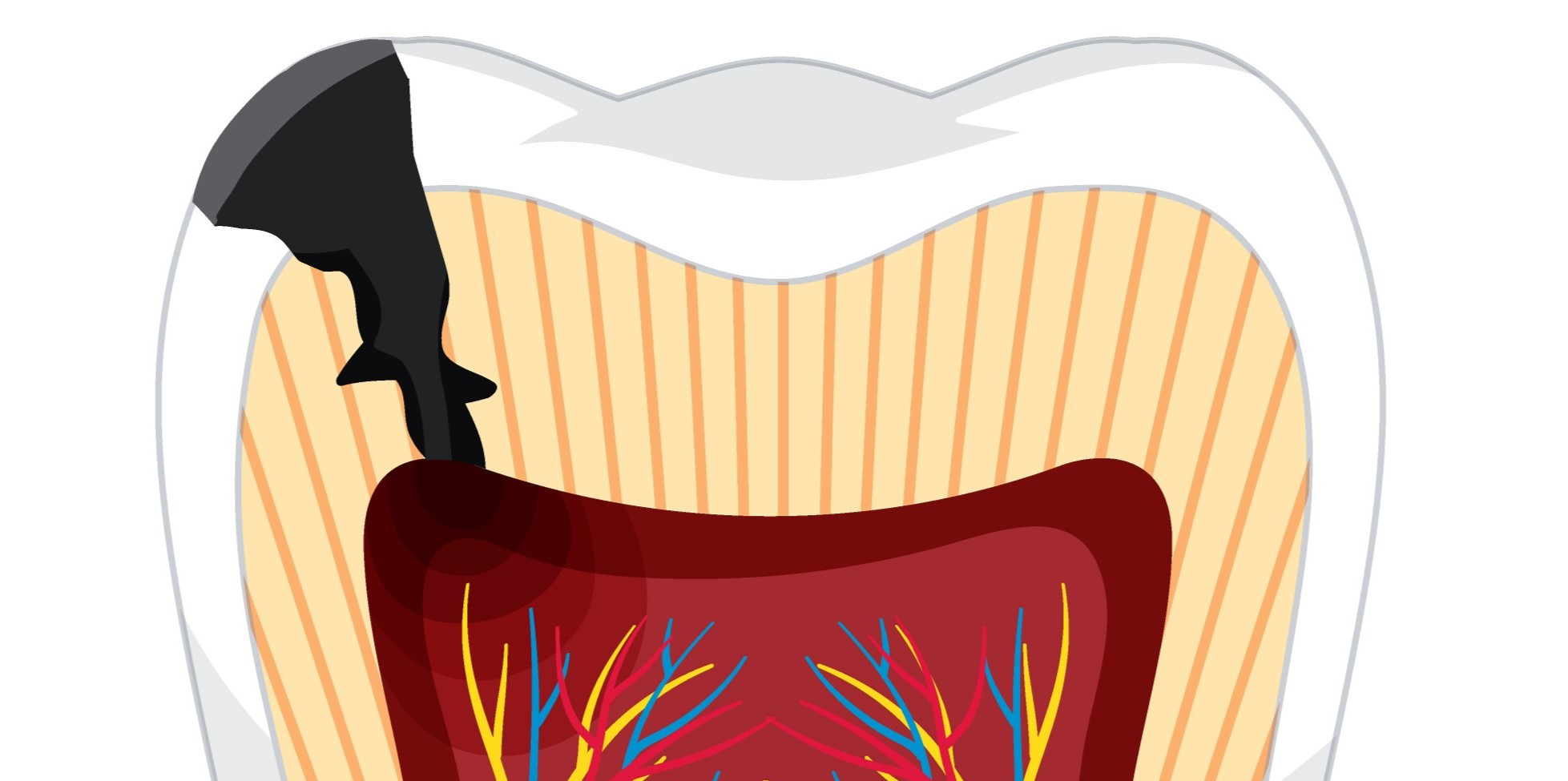
Penyebab gingivitis paling umum adalah menumpuknya sisa makanan yang membentuk plak dan membentuk karang gigi. Karang gigi yang terbentuk dapat menjadi tempat bakteri untuk berkembang biak dan jika diabaikan akan menyebabkan kerusakan gigi dan gusi.
- Perubahan hormon
Perubahan hormon dapat terjadi selama masa pubertas, menopause, siklus menstruasi, dan kehamilan. Gingiva mungkin menjadi lebih sensitive sehingga meningkatkan risiko peradangan.
- Riwayat penyakit
Penyakit-penyakit seperti kanker, diabetes, dan HIV terkait dengan risiko gingivitis yang lebih tinggi. Kondisi penyakit terkait biasanya menyebabkan penurunan sistem imun sehingga berisiko meningkatkan kemungkinan terjadinya infeksi dan peradangan.
- Obat-obatan
Kesehatan mulut dapat dipengaruhi oleh beberapa obat, umumnya efek samping dari obat-obatan tersebut yaitu mengurangi produksi air liur. Beberapa obat seperti dilantin, antikonvulsan, dan beberapa obat anti-angina juga dapat menyebabkan pertumbuhan jaringan gusi yang tidak normal.
- Kebiasaan merokok
Perokok lebih sering mengalami radang gusi dibandingkan dengan orang yang tidak merokok. Radikal bebas yang berasal dari tar dari kandungan rokok meningkatkan peradangan di mulut sehingga dapat merusak jaringan di dalam mulut.
- Usia
Risiko seseorang terkena radang gusi dilaporkan meningkat seiring bertambahnya usia.
- Pola makan yang buruk
Kekurangan vitamin C kerap dikaitkan sebagai salah satu faktor yang bisa menjadi penyebab penyakit gusi.
Faktor Risiko
Ada beberapa faktor yang dapat meningkatkan risiko gingivitis, yaitu:
- Tidak menjaga kesehatan gigi dan mulut, seperti malas menyikat gigi dan tidak pernah melakukan kontrol gigi rutin ke dokter gigi
- Memiliki kebiasaan merokok
- Mengonsumsi obat-obatan tertentu, misalnya pil KB, steroid, antikonvulsan (obat kejang), kemoterapi, obat pengencer darah, dan calcium channel blocker bisa meningkatkan risiko radang gusi
- Kondisi kekebalan tubuh terganggu seperti pada penyakit HIV-AIDS dan diabetes
- Kekurangan nutrisi (Vitamin C) lebih mudah mengalami masalah gigi dan mulut, termasuk radang gusi
- Mulut kering dapat memengaruhi kesehatan gusi. Produksi liur yang berkurang akan membuat gusi lebih rentan mengalami peradangan dan pembengkakan
- Memiliki kebiasaan buruk, seperti menggigit benda yang keras
- Riwayat penyakit seperti leukimia, anemia, trombositopenia, hemofilia, dan agranulositosis
- Perubahan hormon saat hamil, menstruasi, dan menopause dapat meningkatkan sirkulasi darah ke gusi sehingga gusi lebih mudah mengalami peradangan, bengkak, dan perdarahan
Gejala
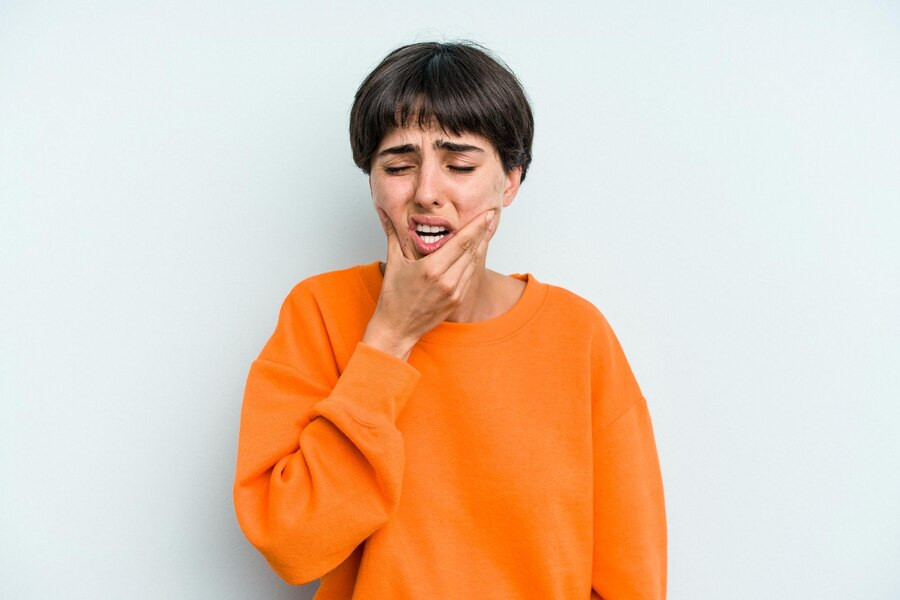
Gingivitis jarang disadari oleh pengidapnya karena gejalanya tidak begitu jelas. Namun, radang gusi dapat memicu gejala seperti gusi bengkak dan nyeri, gusi berwarna kemerahan, bahkan gusi mudah berdarah. Gejala lebih lanjut biasanya disertai dengan bau mulut, gigi mudah tanggal dan penipisan gusi.
Diagnosis
Gingivitis dapat didiagnosis melalui pemeriksaan gigi. Dokter akan memeriksa gusi untuk menentukan apakah ada peradangan atau tidak sambil menanyakan riwayat kesehatan secara menyeluruh. Dokter juga mengukur kedalaman kantong periodontal. Kedalaman kantung periodontal sebaiknya 1-3 milimeter (mm).
Tata Laksana
Pengobatan harus segera dilakukan untuk meredakan gejala dan mencegah komplikasi yaitu kerusakan jaringan gigi dan gusi semakin parah. Pengobatan yang dapat dilakukan pertama adalah membersihkan gigi terutama plak yang sudah terbentuk, pemberian obat antibiotik dan tindakan operasi jika diperlukan. Pembentukan plak gigi seharusnya dapat dicegah dengan protokol kebersihan mulut yang dilakukan secara mandiri oleh pasien, seperti menyikat gigi dengan teknik yang tepat. Namun jika pembersihan plak secara mandiri tidak cukup atau sudah terdapat deposit kalkulus pada rongga mulut, maka diperlukan pembersihan dengan perawatan seperti scaling dan root planning.
Beberapa obat dapat digunakan untuk mengobati radang gusi:
- Obat kumur antiseptik yang mengandung klorheksidin dapat digunakan untuk disinfektan mulut
- Antibiotik oral dapat digunakan untuk mengobati area peradangan gusi yang persisten
Komplikasi
Gingivitis yang tidak ditangani dengan tepat dapat menyebabkan kondisi yang lebih serius, seperti periodontitis. Infeksi dapat menyebar ke jaringan lunak sekitar gusi dan tulang penyangga gigi. Apabila terjadi perburukan, infeksi juga dapat menyebar dan memengaruhi organ lain, seperti jantung dan paru-paru. Hal ini disebabkan oleh bakteri penyebab periodontitis dalam masuk ke aliran darah melalui jaringan gusi.
Pencegahan
Pencegahan radang gusi bisa dilakukan terutama dengan menjaga kebersihan gigi dan mulut. Berikut ini merupakan beberapa langkah mudah yang bisa Anda lakukan setiap hari.
- Sikat gigi secara rutin
Sikatlah gigi Anda setidaknya dua kali sehari dengan teknik menyikat gigi yang tepat. Lakukan gerakan melingkar dari atas ke bawah pada setiap sisi selama 20 detik. Selain itu, gunakan sikat gigi yang berbulu lembut dan kepala berujung kecil agar dapat menjangkau bagian mulut terdalam. Pilih juga pasta gigi yang mengandung fluoride. Kandungan mineral dalam pasta gigi ini efektif untuk memperkuat dan melindungi gigi Anda dari kerusakan.
- Menggunakan dental flossing (benang gigi)
Membersihkan gigi menggunakan benang alias flossing membantu menghilangkan sisa makanan yang tersangkut pada sela-sela gigi dan bawah garis gusi. Apabila Anda rutin menyikat gigi dan flossing, kondisi gusi akan tetap sehat dan terhindar dari berbagai masalah gigi dan mulut.
- Hindari merokok
Rokok merupakan faktor risiko terbesar untuk gingivitis dan penyakit gusi. Maka dari itu, mulai dari sekarang Anda harus berusaha untuk berhenti merokok. Selain mencegah gingivitis atau radang gusi, berhenti merokok juga membantu meningkatkan kesehatan tubuh Anda secara menyeluruh.
- Konsumsi makanan yang sehat dan bergizi
Mendapatkan zat gizi yang tepat dari makanan yang dikonsumsi membantu sistem kekebalan tubuh Anda bekerja lebih efektif melawan bakteri penyebab gingivitis. Konsumsi makanan yang sehat untuk gigi dan mulut, misalnya sayuran dan buah yang mengandung vitamin C dan E. Kedua vitamin ini juga membantu memperbaiki jaringan tubuh yang rusak.
- Hindari stres
Stres juga bisa memengaruhi kesehatan gigi dan mulut Anda. Jika stres melanda, sistem kekebalan tubuh akan lebih sulit melawan bakteri penyebab infeksi. Manajemen stres dan menerapkan gaya hidup sehat merupakan cara yang paling efektif untuk mengatasi stres yang Anda alami.
- Periksa ke dokter gigi secara rutin
Pemeriksaan gigi secara berkala bisa memudahkan dokter dalam memantau kesehatan gigi dan mulut Anda. Dokter bisa langsung melakukan perawatan bisa menemukan adanya masalah. Anda sebaiknya periksa ke dokter gigi secara rutin setiap 6–12 bulan sekali. Namun, bila Anda lebih rentan terkena gingivitis, dokter dapat menjadwalkan pemeriksaan lebih sering.
Kapan Harus ke Dokter Gigi?
Untuk mencegah gingivitis maupun komplikasinya, disarankan untuk melakukan pemeriksaan rutin ke dokter gigi seitap 6 bulan sekali. Jika mengalami gangguan pada kesehatan gigi dan mulut sebaiknya segera lakukan pemeriksaan untuk mencegah risiko terjadinya komplikasi.
Mau tahu informasi seputar penyakit lainnya? Cek di sini, ya!
- dr. Benita Kurniadi

Trombelli L. (2018, June 21). Plaque-induced gingivitis: case definition and diagnostic considerations. Retrieved January 21, 2023. Available from: https://aap.onlinelibrary.wiley.com/doi/10.1002/JPER.17-0576
Mayo Clinic. (2017). Gingivitis: diagnosis and treatment. Retrieved January 21, 2023, from https://www.mayoclinic.org/diseases-conditions/gingivitis/diagnosis-treatment/drc-20354459
American Dental Association. (2022). Gingivitis. Retrieved 21 January 21, 2023, Available from: https://www.mouthhealthy.org/all-topics-a-z/gingivitis