
Brand/Nama Lain
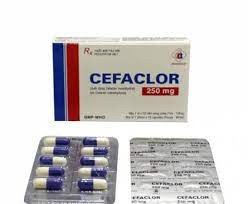
Forifek, Forifek Forte, Capabiotic 500, Cloracef 250.
Cara Kerja
Cefaclor termasuk dalam kelas obat yang disebut antibiotik golongan sefalosporin. Obat ini bekerja dengan cara menghentikan pertumbuhan bakteri penyebab infeksi. Cefaclor akan menghambat pembentukan dinding sel bakteri sehingga terjadi kematian sel bakteri.
Indikasi
Cefaclor digunakan untuk mengobati infeksi tertentu yang disebabkan oleh bakteri, seperti:
- Pneumonia dan infeksi saluran pernapasan bawah (paru-paru) lainnya
- Infeksi pada kulit
- Infeksi telinga
- Infeksi tenggorokan
- Infeksi saluran kemih
Kontraindikasi
Obat ini tidak boleh diberikan pada orang-orang dengan riwayat alergi cefaclor dan antibiotik golongan sefalosporin lainnya.
Efek Samping
- Sakit perut, sakit kepala, mual, muntah, atau diare dapat terjadi
- Beri tahu dokter Anda segera jika Anda memiliki efek samping yang serius, termasuk:
- Sakit perut
- Mual atau muntah terus-menerus
- Mata atau kulit menguning
- Urine berwarna gelap atau jumlahnya berubah
- Nyeri sendi yang tidak biasa
- Tanda-tanda infeksi (seperti sakit tenggorokan atau demam yang tidak kunjung sembuh)
- Mudah memar atau berdarah
- Perubahan mental atau suasana hati (seperti kebingungan)
- Obat ini mungkin dapat menyebabkan gangguan usus yang parah karena bakteri yang disebut difficile dengan gejala seperti:
- Diare yang tidak berhenti
- Sakit/kram perut
- Terdapat darah atau lendir pada tinja
- Penggunaan obat ini untuk waktu yang lama atau berulang dapat menyebabkan infeksi jamur pada mulut atau vagina
Sediaan
Cefaclor tersedia dalam bentuk kapsul 500 mg, kaplet 500 mg, dan sirup 250 mg/5 ml.
Dosis
- Dewasa: 250-500 mg setiap 8 jam (3 kali sehari), dosis maksimal 4 gram per hari
- Anak-anak usia >1 bulan: 20-40 mg/kg BB/hari dalam 2 atau 3 dosis terbagi, dosis maksimal 0,75-1,5 g per hari
Keamanan
Cefaclor dapat menyebabkan vaksin yang mengandung bakteri hidup (seperti vaksin tifoid/tifus) tidak dapat bekerja dengan baik. Beri tahu ahli kesehatan Anda bahwa Anda sedang mendapatkan pengobatan dengan cefaclor sebelum melakukan imunisasi/vaksinasi.
Selama kehamilan, obat ini harus digunakan hanya jika benar-benar dibutuhkan. Obat ini juga dikeluarkan melalui ASI. Diskusikan risiko dan manfaatnya dengan dokter Anda ketika Anda hamil atau sebelum menyusui.
Interaksi Obat
- Cefaclor dapat meningkatkan efek merusak ginjal jika diberikan dengan obat antibiotik golongan aminoglikosida
- Cefaclor dapat mengurangi efek vaksin BCG (vaksin untuk mencegah tuberculosis/TBC) dan vaksin tifoid/tifus
- Probenesid (obat untuk menurunkan kadar asam urat) dapat menghambat pengeluaran cefaclor dari tubuh
Mau tahu informasi seputar obat-obatan lainnya? Cek di sini, ya!
- dr Hanifa Rahma

BPOM RI. Cefaclor. cekbpom.pom.go.id. Retrieved 17 April 2022, from https://cekbpom.pom.go.id//home/produk/69bhknndt7v4km8sdutf8ashf5/all/row/10/page/1/order/4/DESC/search/5/Cefaclor
MIMS Indonesia. Cefaclor. Mims.com. Retrieved 17 April 2022, from https://www.mims.com/indonesia/drug/info/cefaclor?mtype=generic
Web MD. Cefaclor - Uses, Side Effects, and More. Webmd.com. Retrieved 17 April 2022, from https://www.webmd.com/drugs/2/drug-471-385/cefaclor-oral/cefaclor-oral/details
Medlineplus. Cefaclor. Medlineplus.gov. Retrieved 17 April 2022, from https://medlineplus.gov/druginfo/meds/a682729.html