Definisi
Abses adalah kantong berisi kumpulan nanah pada bagian tubuh tertentu. Tubuh yang mengalami abses akan terasa sakit. Abses umumnya disebabkan oleh infeksi bakteri dan dapat timbul di bagian tubuh mana saja. Secara umum, abses dibagi menjadi 2, yaitu:
- Abses kulit, yaitu abses yang terbentuk di bawah kulit
- Abses internal, yaitu abses yang terbentuk di dalam tubuh, yaitu di organ dalam, atau di ruang antar organ
Ketika tubuh mengalami terinfeksi, sistem kekebalan tubuh akan mencoba melawan infeksi tersebut. Perlawanan infeksi terutama dilakukan oleh sel darah putih yang akan berkumpul di area yang terinfeksi. Reaksi sel darah putih terhadap infeksi tersebut dapat menyebabkan peradangan. Nanah akan terbentuk pada proses peradangan. Nanah adalah campuran sel darah putih yang masih hidup ataupun mati, kuman, serta jaringan tubuh yang mati.
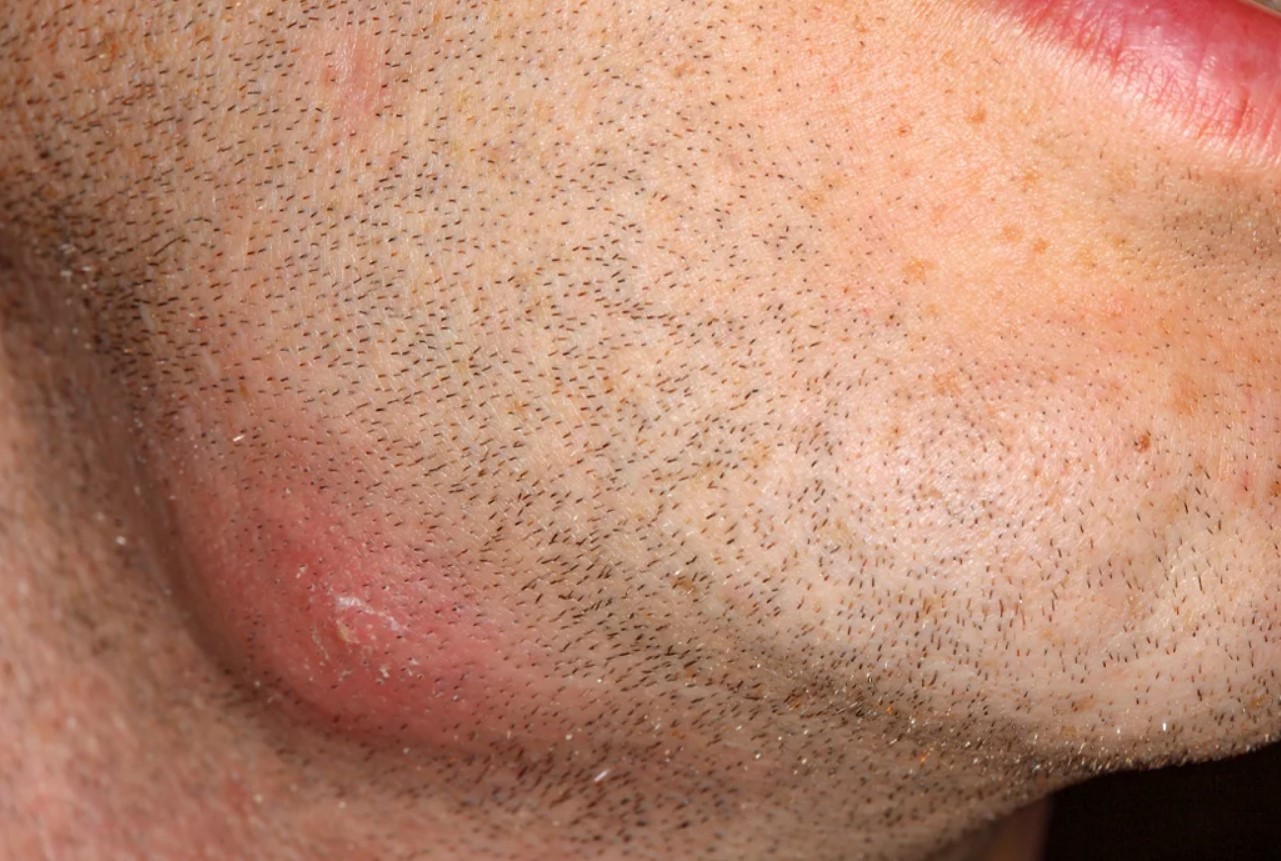
Abses kulit mudah dideteksi karena umumnya terlihat kemerahan, menonjol, dan terasa sakit. Abses yang terbentuk di bagian dalam tubuh mungkin tidak terlihat jelas dan dapat merusak organ.
Penyebab
Sebagian besar abses disebabkan oleh infeksi bakteri Staphylococcus sp. Ketika bakteri masuk ke dalam tubuh, sistem kekebalan akan mengirim sel darah putih untuk melawan infeksi. Hal ini menyebabkan pembengkakan, peradangan, dan kematian jaringan di sekitar tempat infeksi.
Akibat dari peradangan, terbentuk rongga yang akan terisi dengan nanah dan membentuk abses. Nanah mengandung campuran jaringan mati, sel darah putih dan bakteri. Abses bisa menjadi lebih besar dan lebih terasa nyeri saat infeksi berlanjut dan menghasilkan lebih banyak nanah.
Beberapa jenis bakteri Staphylococcus sp. menghasilkan racun yang disebut toksin Panton-Valentine leukocidin (PVL) yang dapat membunuh sel darah putih. Hal ini berperan pada timbulnya infeksi berulang. Oleh karena itu, tubuh perlu membuat lebih banyak sel darah putih untuk terus melawan infeksi. Pada kasus yang jarang terjadi. abses dapat disebabkan oleh virus, jamur atau parasit.
Abses kulit
Abses kulit terbentuk ketika terdapat bakteri berlebih di bawah kulit. Abses kulit dapat terjadi di bagian tubuh mana saja, meskipun cenderung lebih sering ditemukan di ketiak, tangan, kaki, alat kelamin, dan bokong.
Bakteri bisa masuk ke kulit dan menyebabkan abses jika Anda memiliki luka pada kulit, meskipun luka berukuran kecil dan tidak terlihat oleh mata. Bakteri juga bisa masuk melalui akar rambut atau melalui kelenjar minyak dan kelenjar keringat yang tersumbat.
Abses internal
Abses internal adalah abses yang terbentuk di organ dalam tubuh. Sebagai contoh, abses di dalam rongga perut dapat terjadi akibat adanya cedera, operasi perut, atau infeksi yang menyebar dari daerah sekitar perut, seperti abses paru yang menyebar ke perut. Abses paru dapat terbentuk setelah infeksi bakteri di paru-paru, seperti pneumonia.
Faktor Risiko
Faktor-faktor yang meningkatkan risiko abses antara lain:
- Memiliki sistem kekebalan tubuh yang lemah, seperti pada pasien HIV atau yang menjalani pengobatan kemoterapi
- Menderita diabetes
- Terdapat peradangan di salah satu bagian tubuh, seperti hidradenitis suppurativa, yaitu peradangan pada area yang memiliki rambut dan kelenjar keringat seperti ketiak
- Menjadi pembawa bakteri Staphylococcus sp.
Gejala
Abses kulit
Tanda dan gejala abses kulit antara lain:
- Pembengkakan lunak di bawah kulit
- Nyeri dan nyeri tekan di daerah yang mengalami dan sekitarnya
- Teraba hangat dan berwarna kemerahan
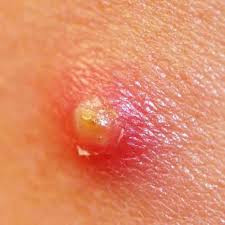
- Terlihat penumpukan nanah putih atau kuning di bawah kulit
- Demam
- Menggigil
Bisul adalah adalah contoh abses kulit yang paling sering ditemui.
Abses internal
Abses yang berkembang di dalam organ atau di ruang antar organ lebih sulit didiagnosa dibandingkan abses kulit karena tidak dapat terlihat langsung dan gejalanya cenderung tidak khas.
Gejala abses internal juga bervariasi tergantung lokasinya. Misalnya, abses hati dapat menyebabkan penyakit kuning (kulit dan mata menguning), sedangkan abses paru atau di sekitar paru dapat menyebabkan batuk atau sesak napas.
Gejala umum abses internal meliputi:
- Rasa tidak nyaman di area abses
- Demam
- Keringat berlebihan
- Merasa tidak enak badan
- Terasa nyeri pada area yang mengalami
- Menggigil
- Nyeri atau bengkak pada area yang mengalami
- Kehilangan nafsu makan
- Penurunan berat badan
Diagnosis
Abses kulit
Jika Anda memiliki abses kulit, dokter akan memeriksa area yang mengalami dan menanyakan durasi abses Anda, riwayat luka atau cedera pada area abses, serta gejala lain yang Anda rasakan.
Sampel nanah akan diambil dari abses dan dikirim ke laboratorium untuk pengujian bakteri spesifik yang menyebabkan abses, sehingga dapat membantu pemilihan pengobatan yang terbaik.
Jika Anda memiliki lebih dari satu abses kulit, dapat dilakukan pemeriksaan gula darah yang merupakan tanda penyakit diabetes. Orang dengan diabetes memiliki risiko lebih tinggi mengalami abses kulit.
Jika Anda mengalami bisul dan abses berulang, dokter akan meminta pemeriksaan bakteri lebih lanjut untuk melihat apakah bakteri tersebut memproduksi toksin Panton-Valentine leukocidin (PVL).
Abses internal
Abses yang berkembang di dalam tubuh lebih sulit didiagnosis daripada abses kulit karena tidak terlihat. Dokter akan menanyakan gejala dan kondisi kesehatan Anda secara keseluruhan. Jika perlu, Anda dapat dirujuk ke fasilitas kesehatan yang lebih lengkap untuk pemeriksaan lanjutan.
Tata Laksana
Terdapat beberapa cara pengobatan dan terapi abses, tergantung pada jenis dan ukurannya. Pilihan pengobatan utama abses adalah antibiotik, prosedur drainase atau mengeluarkan nanah, dan operasi.
Abses kulit
Beberapa abses kulit kecil dapat mengering dengan sendirinya dan membaik tanpa perlu pengobatan. Kompres hangat pada area yang mengalami dapat mengurangi pembengkakan dan mempercepat penyembuhan. Namun, kain kompres harus dicuci bersih setelah digunakan dan tidak digunakan oleh orang lain untuk menghindari penyebaran infeksi.
Pada abses kulit yang lebih besar atau menetap, dokter dapat meresepkan antibiotik untuk mengobati dan mencegah penyebaran infeksi.
Namun, antibiotik saja terkadang tidak cukup untuk mengobati abses kulit dan perlu dilakukan drainase nanah untuk menyembuhkan infeksi. Jika nanah tidak dikeluarkan, abses akan terus tumbuh dan terisi semakin banyak nanah hingga pecah. Jika ini terjadi, akan terasa sangat nyeri dan menyebabkan infeksi menyebar atau kambuh kembali.
Insisi dan Drainase
Jika abses kulit perlu didrainase, Anda perlu menjalani operasi kecil dengan bius lokal untuk mengeluarkan nanah. Dokter juga akan mengambil sampel nanah untuk diperiksa di laboratorium.
Abses internal
Pada abses internal, nanah perlu dikeluarkan atau didrainase. Drainase dapat menggunakan jarum yang dimasukkan melalui kulit (drainase abses perkutan) atau dengan pembedahan. Metode yang digunakan bergantung pada ukuran dan letak abses.
Prosedur drainase akan dikombinasikan dengan antibiotik untuk membunuh bakteri dan mencegah penyebaran infeksi. Antibiotik diberikan dalam bentuk tablet atau melalui pembuluh darah (suntikan).
Drainase perkutan
Jika abses internal berukuran kecil, dokter dapat mengeluarkan nanah menggunakan jarum halus. Prosedur ini bisa dilakukan dengan bius lokal ataupun total, tergantung lokasi abses. Dokter bedah menggunakan USG untuk membantu mengarahkan jarum ke tempat yang tepat. Setelah abses ditemukan, dokter bedah mengeluarkan nanah menggunakan jarum.
Dokter juga dapat membuat sayatan kecil di atas abses untuk memasukkan selang plastik tipis yang disebut kateter drainase ke dalamnya. Kateter membantu nanah mengalir keluar dan masuk ke dalam kantong penampungan. Seperti halnya prosedur insisi dan drainase pada abses kulit, drainase perkutan dapat meninggalkan bekas luka kecil.
Pembedahan
Pembedahan atau operasi perlu dilakukan jika:
- Abses internal terlalu besar untuk didrainase dengan jarum halus
- Jarum tidak dapat mencapai abses dengan aman
- Drainase jarum tidak efektif untuk menghilangkan semua nanah
Jenis operasi bergantung pada jenis dan letak abses internal. Umumnya, prosedur operasi dilakukan dengan membuat sayatan yang lebih besar di kulit untuk mengeluarkan nanah.
Komplikasi
Pada beberapa kasus, abses kulit dapat menimbulkan komplikasi, seperti:
- Terbentuk karbunkel atau abses multipel
- Demam dan pembengkakan kelenjar getah bening
- Endokarditis, yaitu peradangan otot jantung
- Gangren atau kematian jaringan pada area abses
- Osteomielitis atau infeksi tulang
- Infeksi menyebar ke seluruh tubuh melalui pembuluh darah atau kelenjar getah bening dan dapat mengancam nyawa. Infeksi yang menyebar ke seluruh tubuh melalui aliran darah disebut sepsis
- Pengobatan akan lebih sulit jika infeksi disebabkan oleh bakteri MRSA
Pencegahan
Pencegahan abses dapat dilakukan melalui:
- Rutin mencuci tangan dengan sabun dan air mengalir
- Tidak berbagi handuk dan pakaian dengan orang lain
- Menunggu hingga abses kulit benar-benar sembuh sebelum menggunakan peralatan atau fasilitas umum seperti peralatan senam, sauna, atau kolam renang
- Jangan memencet abses menggunakan tangan karena akan menyebarkan bakteri ke area kulit lainnya
- Jika menggunakan tisu untuk membersihkan nanah, buang tisu ke tempat sampah dengan benar agar tidak menyebarkan bakteri. Cuci tangan setelah membersihkan nanah dan membuang tisu
- Berhati-hati saat mencukur rambut di wajah, kaki, ketiak, atau area di atas kemaluan agar tidak melukai kulit area tersebut
- Bersihkan dan rawat luka dengan baik jika luka berukuran kecil
- Segera cari pertolongan medis jika mengalami luka tusuk, terutama jika dicurigai ada kotoran atau benda asing di dalam luka; luka disebabkan karena gigitan manusia, serangga, atau hewan; Anda memiliki salah satu risiko abses; atau sedang dalam pengobatan steroid ataupun kemoterapi.
- Diet sehat dan seimbang
- Mempertahankan berat badan ideal
- Berhenti merokok
Cenderung sulit untuk mencegah abses internal karena sering juga disebabkan oleh komplikasi kondisi kesehatan lain.
Kapan Harus ke Dokter?
Konsultasi ke dokter jika Anda mengalami tanda dan gejala abses seperti yang sudah disebutkan di atas.
Segera cari pertolongan medis jika mengalami:
- Tanda sakit serius, seperti demam
- Abses berulang
- Abses dengan kondisi kekebalan tubuh yang lemah atau memiliki penyakit kronis, seperti diabetes.
Mau tahu informasi seputar penyakit lainnya? Cek di sini, ya!
- dr Anita Larasati Priyono

Abscess: symptoms. (2019). Retrieved 3 April 2022, from https://www.nhs.uk/conditions/abscess/symptoms/
Abscess: diagnosis. (2019). Retrieved 3 April 2022, from https://www.nhs.uk/conditions/abscess/diagnosis/
Abscess. (2021). Retrieved 8 April 2022, from https://www.webmd.com/a-to-z-guides/abscess
Kahn A. (2022). What causes a skin abscess?. Retrieved 8 April 2022, from https://www.healthline.com/health/skin-abscess#how-to-identify
Coelho S. (2020). What to know about skin abscesses. Retrieved 8 April 2022, from https://www.medicalnewstoday.com/articles/skin-abscess
Brannon HL. (2022). What is an abscess? . Retrieved 8 April 2022, from https://www.verywellhealth.com/abscess-causes-and-treatment-1068819
Abscess: causes. (2019). Retrieved 3 April 2022, from https://www.nhs.uk/conditions/abscess/causes/
Abscess: treatment. (2019). Retrieved 3 April 2022, from https://www.nhs.uk/conditions/abscess/treatment/
Abscess. (2019). Retrieved 8 April 2022, from https://www.nhs.uk/conditions/abscess/